The Global Phygital Standard
Building a scalable digital infrastructure
connecting physical collectibles to verified digital ownership.
1M+ digital assets managed, securing $50M+ in value.
Role:
Product Designer
Scope:
End-to-end product strategy & UX
Platform:
Web + Mobile + Admin
Timeline:
8+ months
Executive Summary
Top Tier Authentics required a unified digital standard to authenticate, activate, and manage high-value physical collectibles at scale.
I designed a full-stack phygital infrastructure - spanning consumer experience and internal operations - connecting physical products with verified digital ownership, gamification, and live engagement.
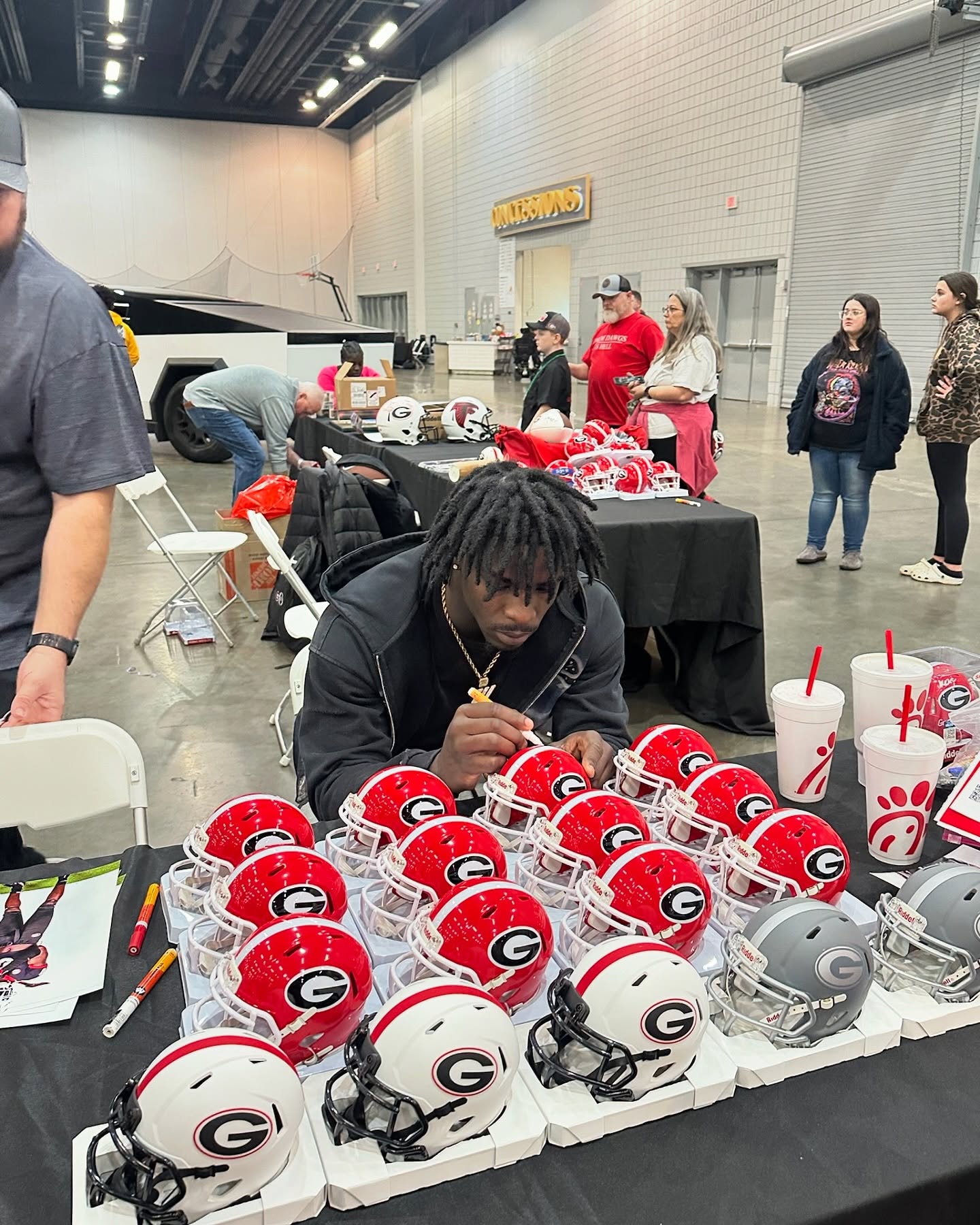
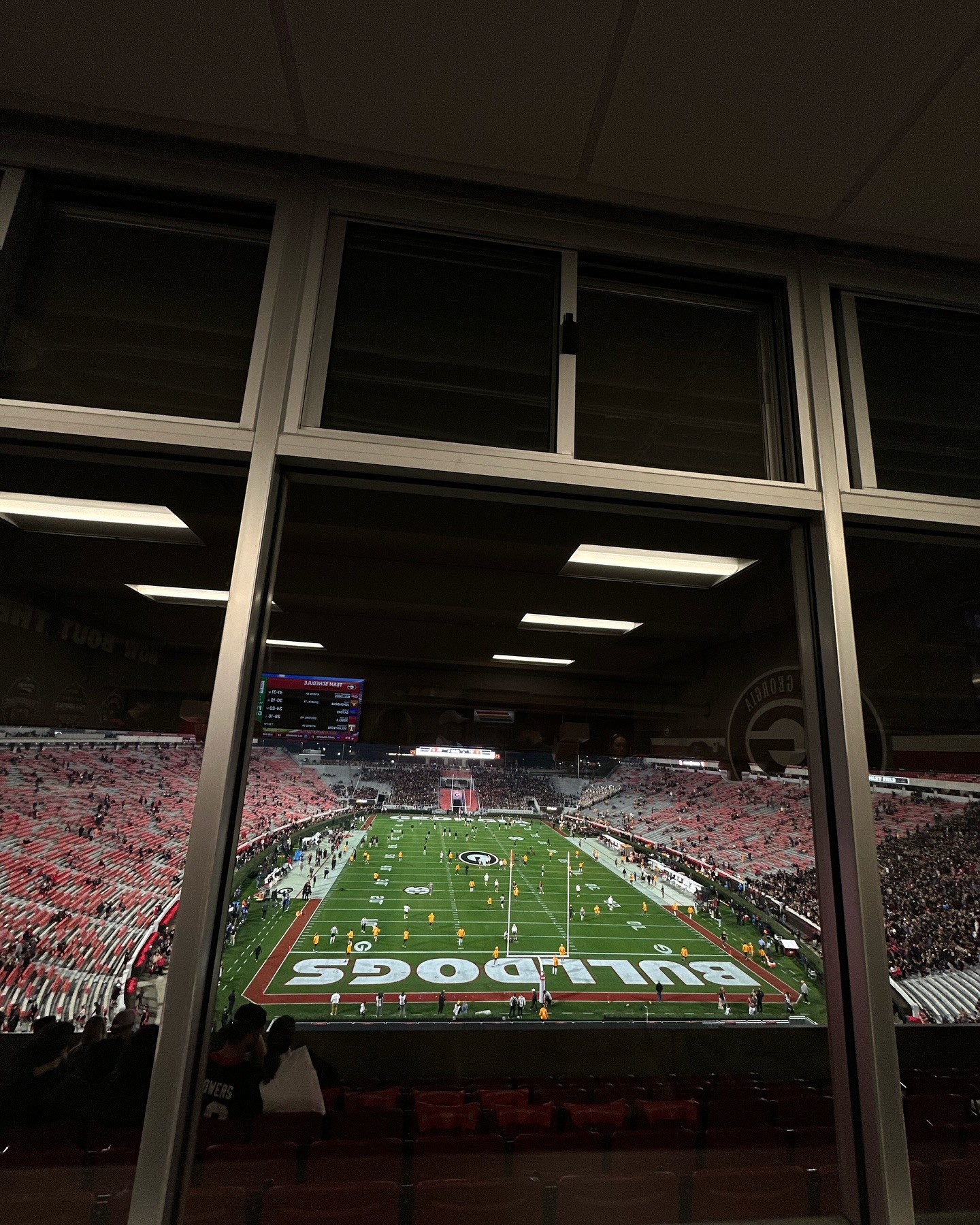
The result: a reusable system deployed across sports, entertainment, and live events, transforming static memorabilia into interactive digital assets.
Business Context
Collectibles lacked digital identity. Authentication was fragmented, engagement short-lived, and data siloed.
Top Tier Authentics needed:
A global authentication standard
A way to digitize ownership
A scalable platform for brand partnerships
A monetizable digital engagement layer
This was not just a UX challenge - it required product architecture, system thinking, and cross-functional alignment.
Problem Definition
Collectors bought items - but interaction stopped there.
We needed to shift from transaction-based interaction to lifecycle-based engagement.
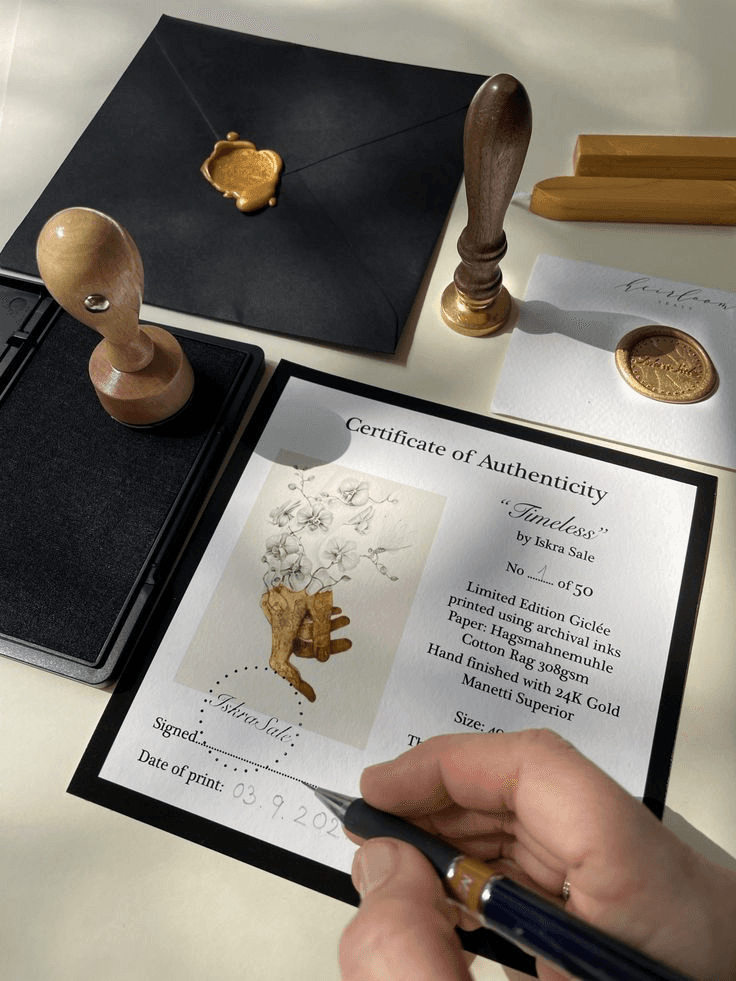
Authentication was manual and trust-based.
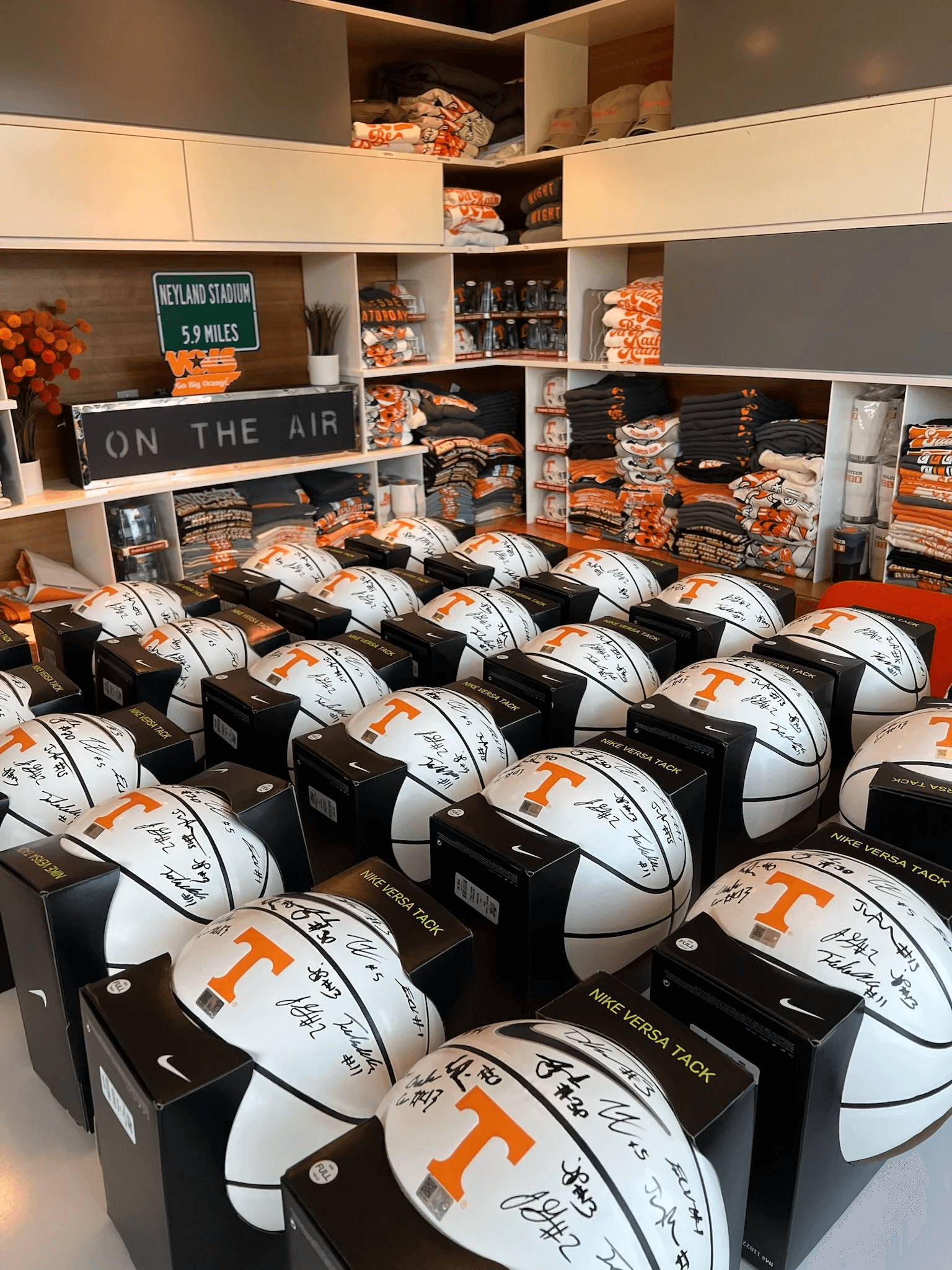
Physical collectibles had no digital lifecycle.
Brands lacked ongoing engagement after purchase.
Product Strategy
Digital Identity per item
Live event activation layer
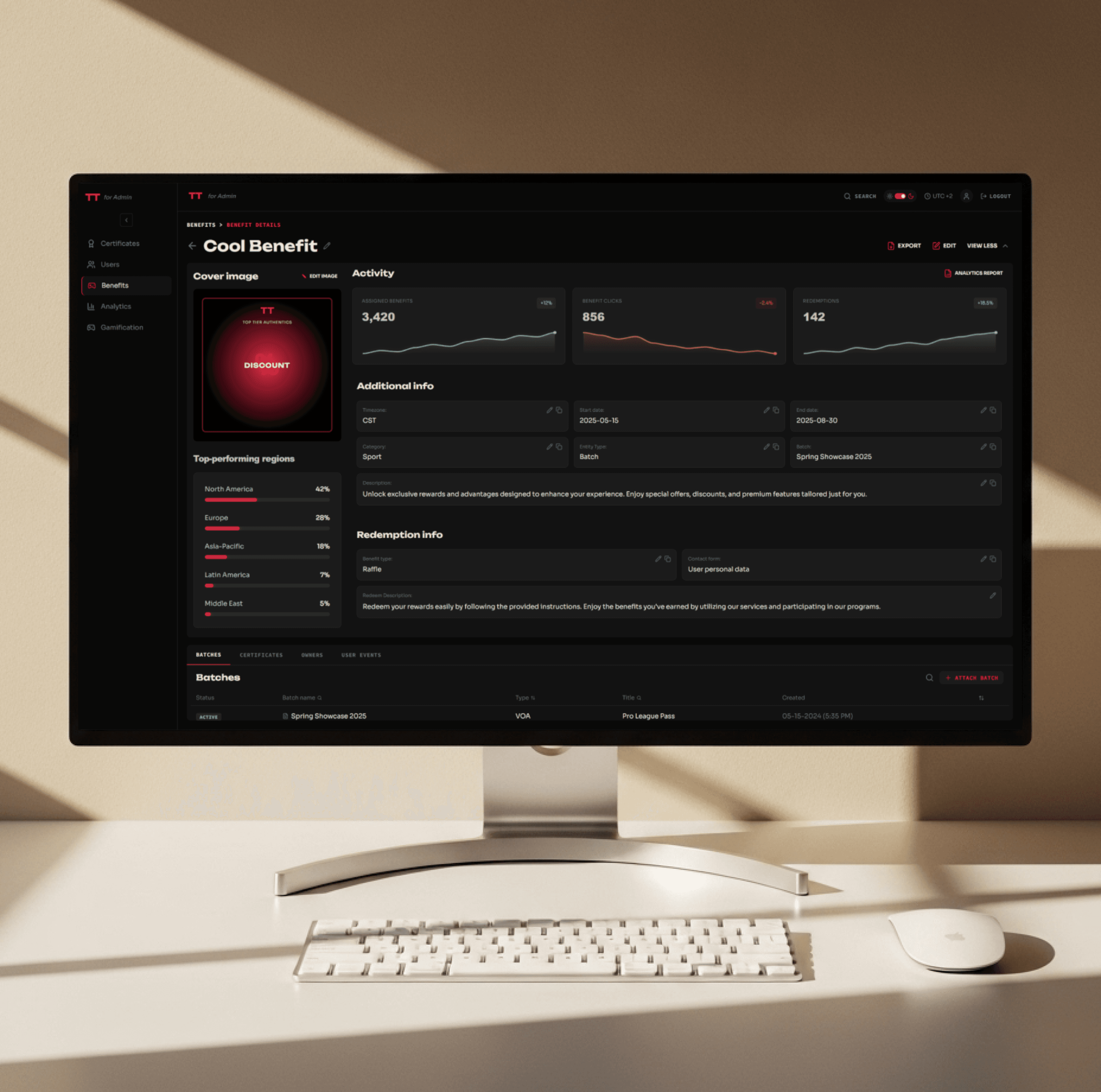
Centralized operational backend
A modular architecture
The goal: Create a reusable global standard.
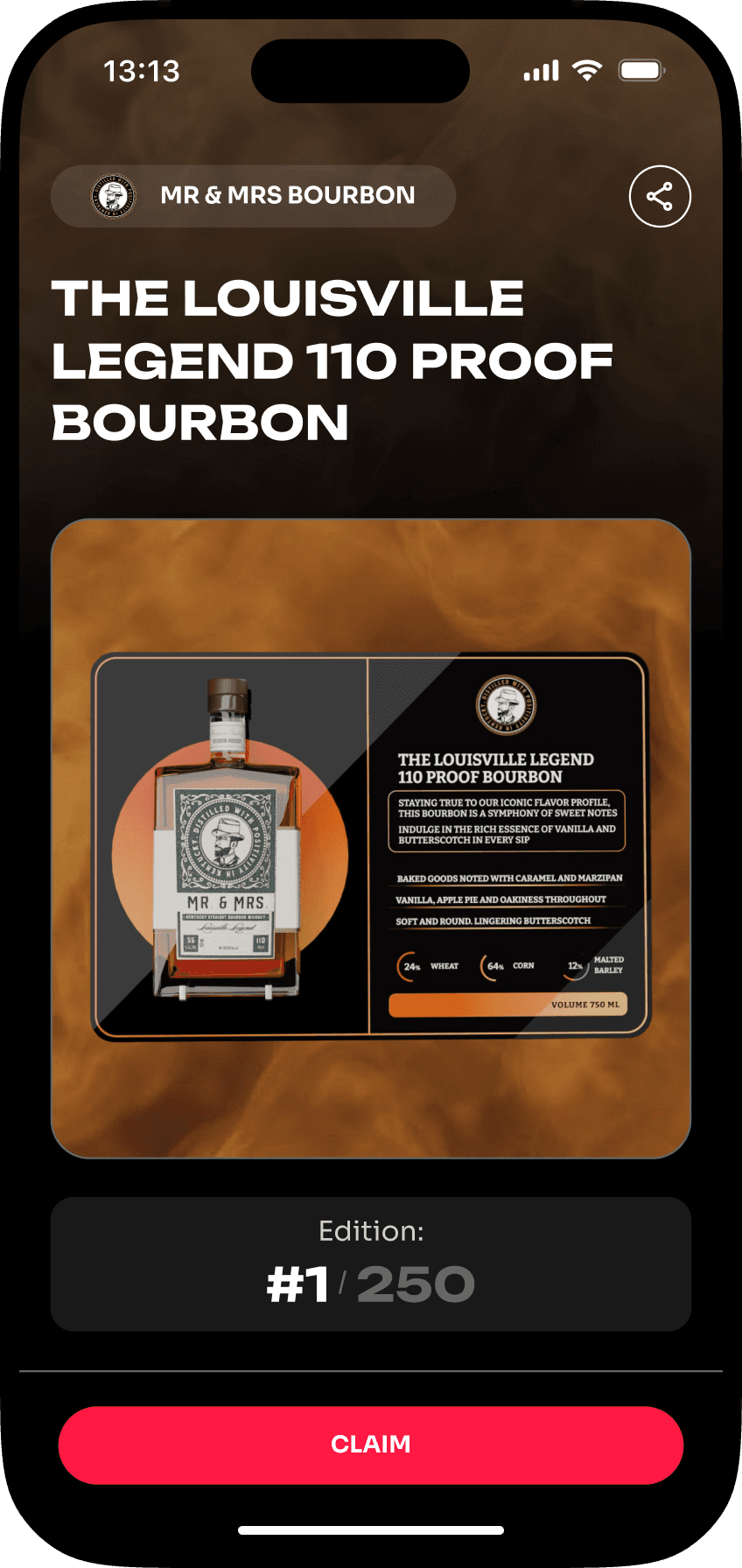
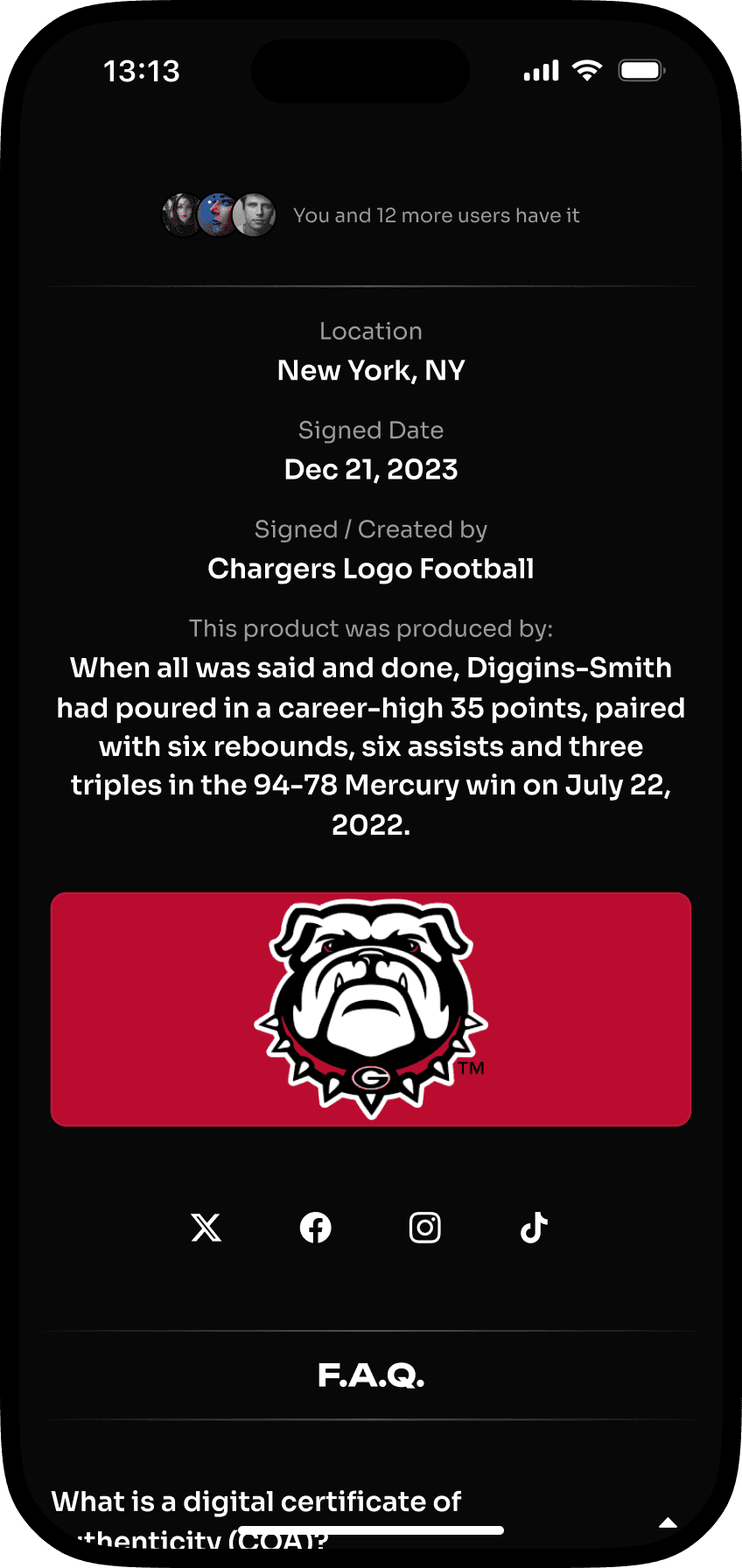
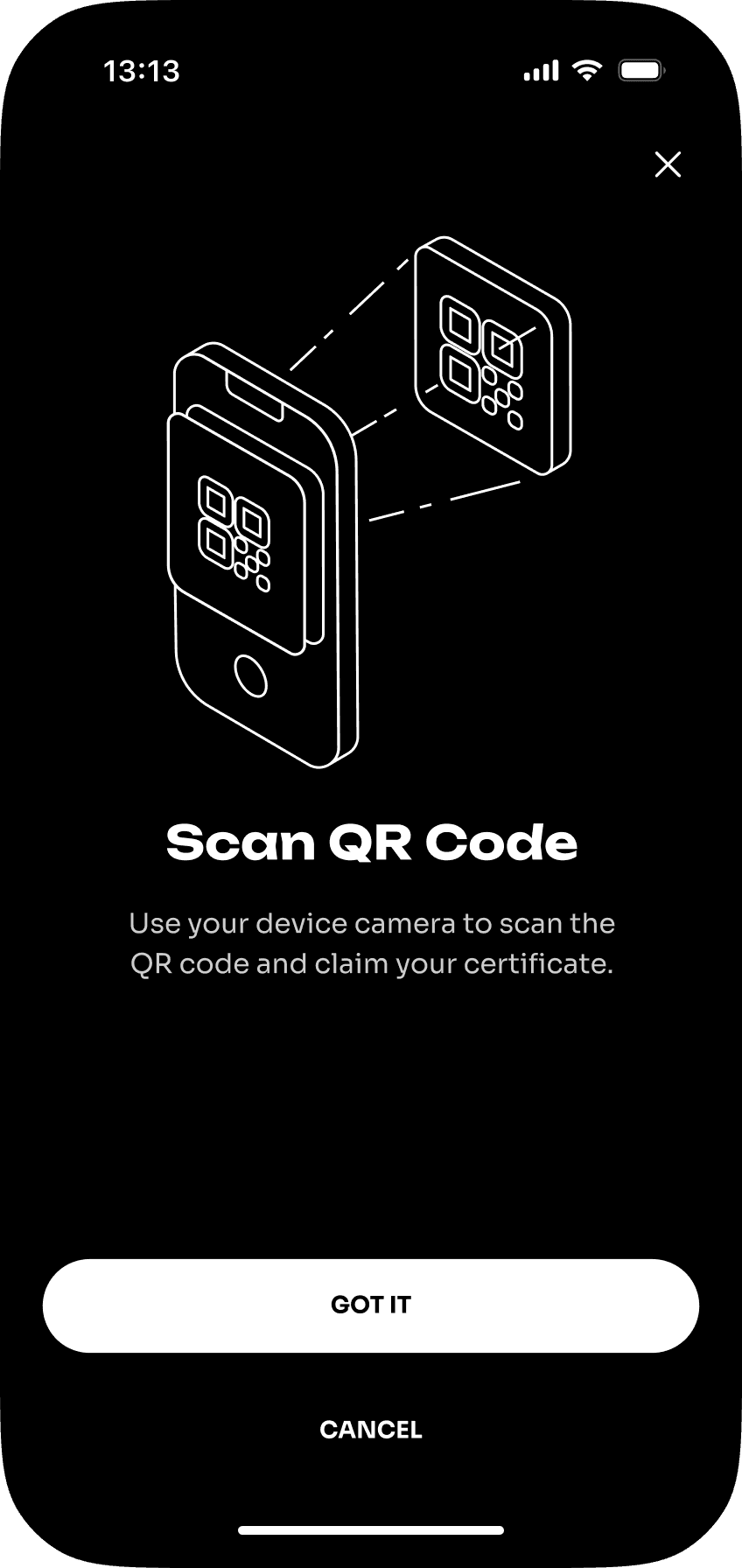
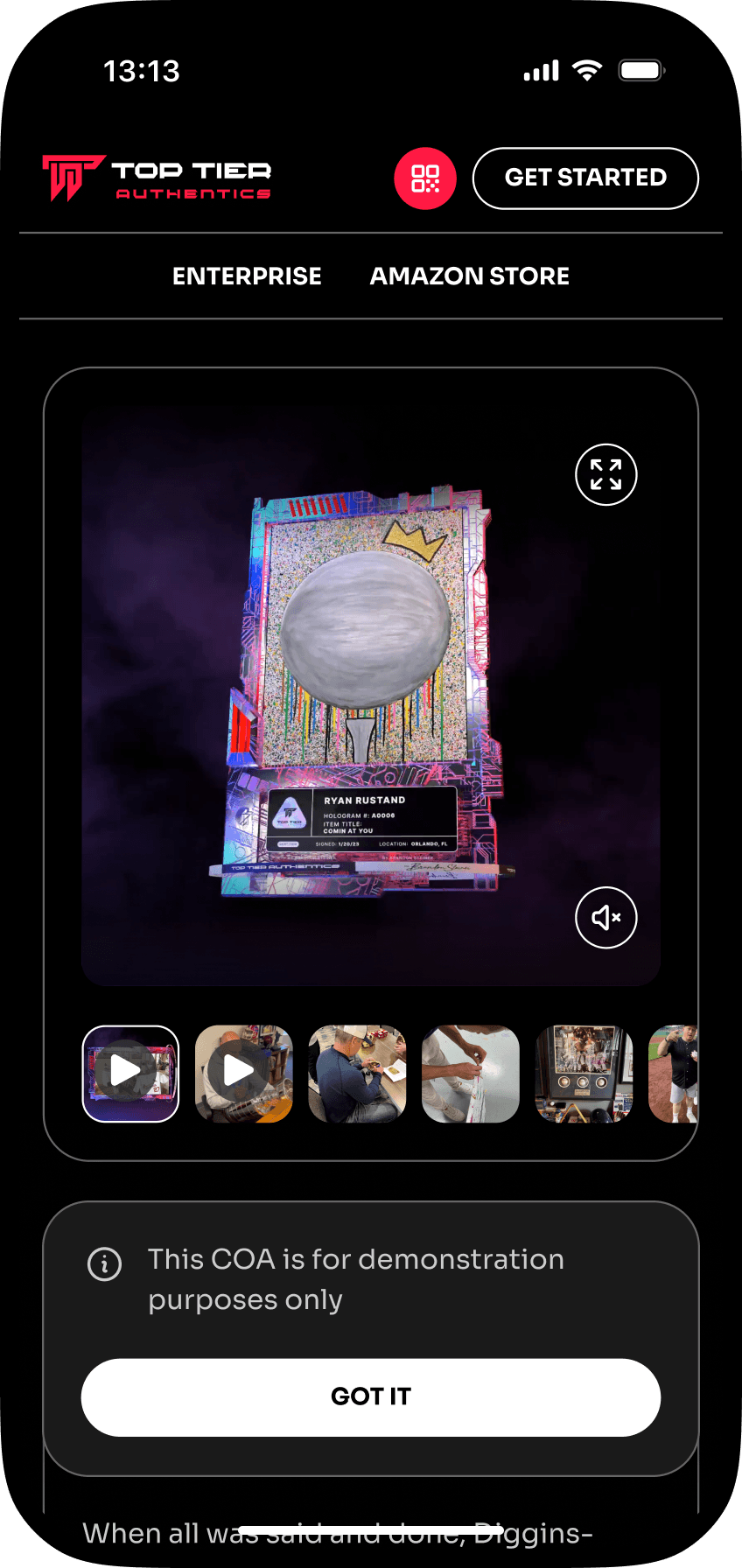
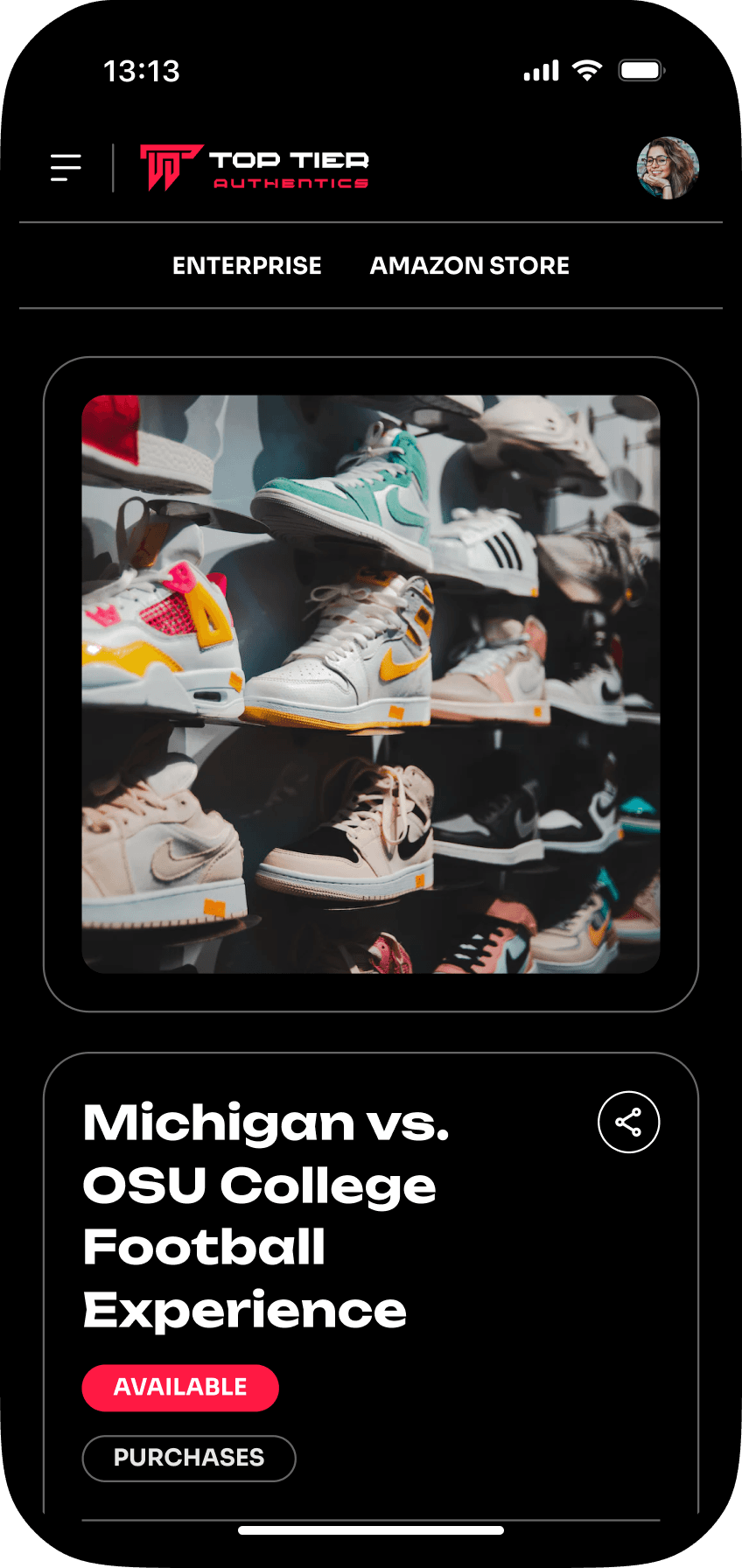
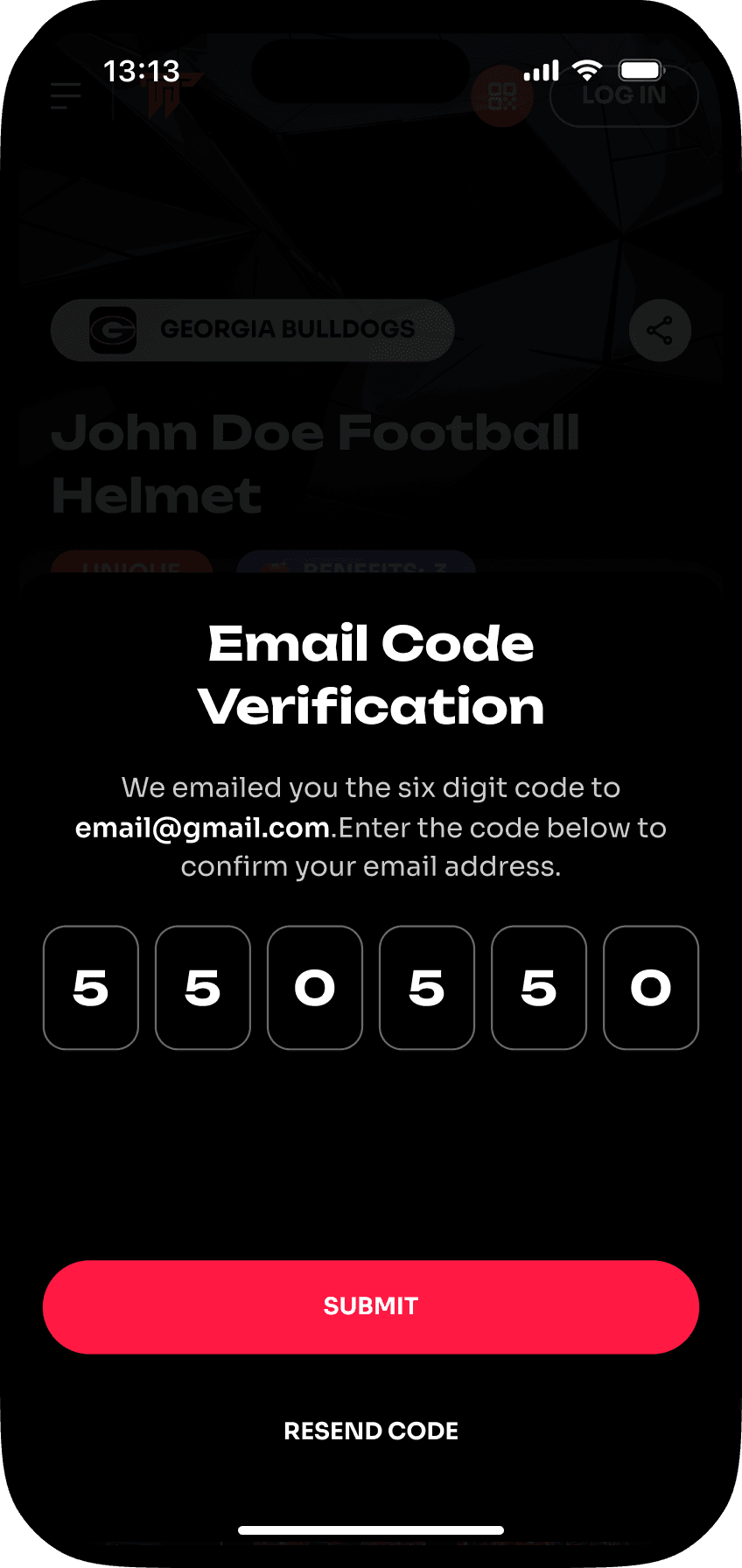
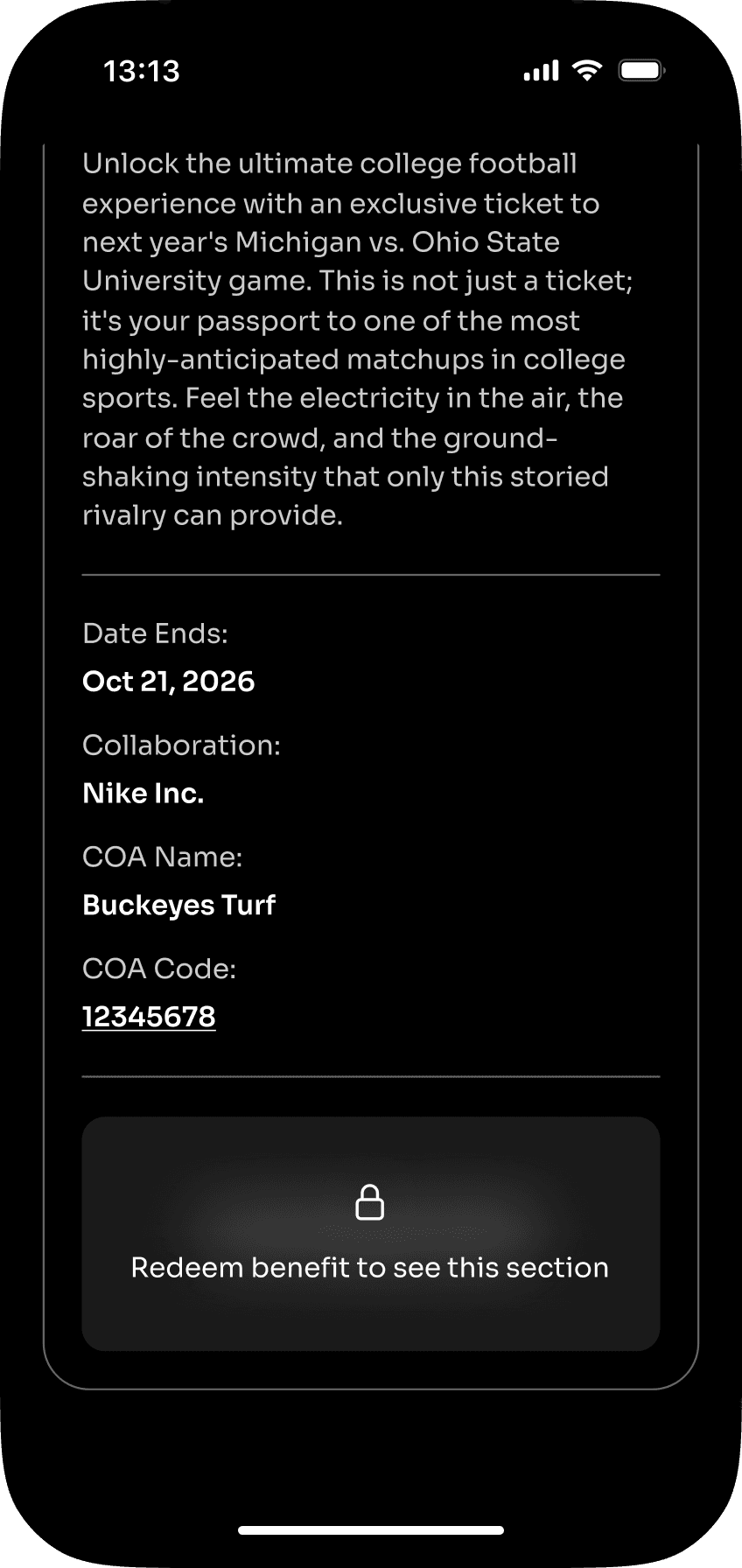
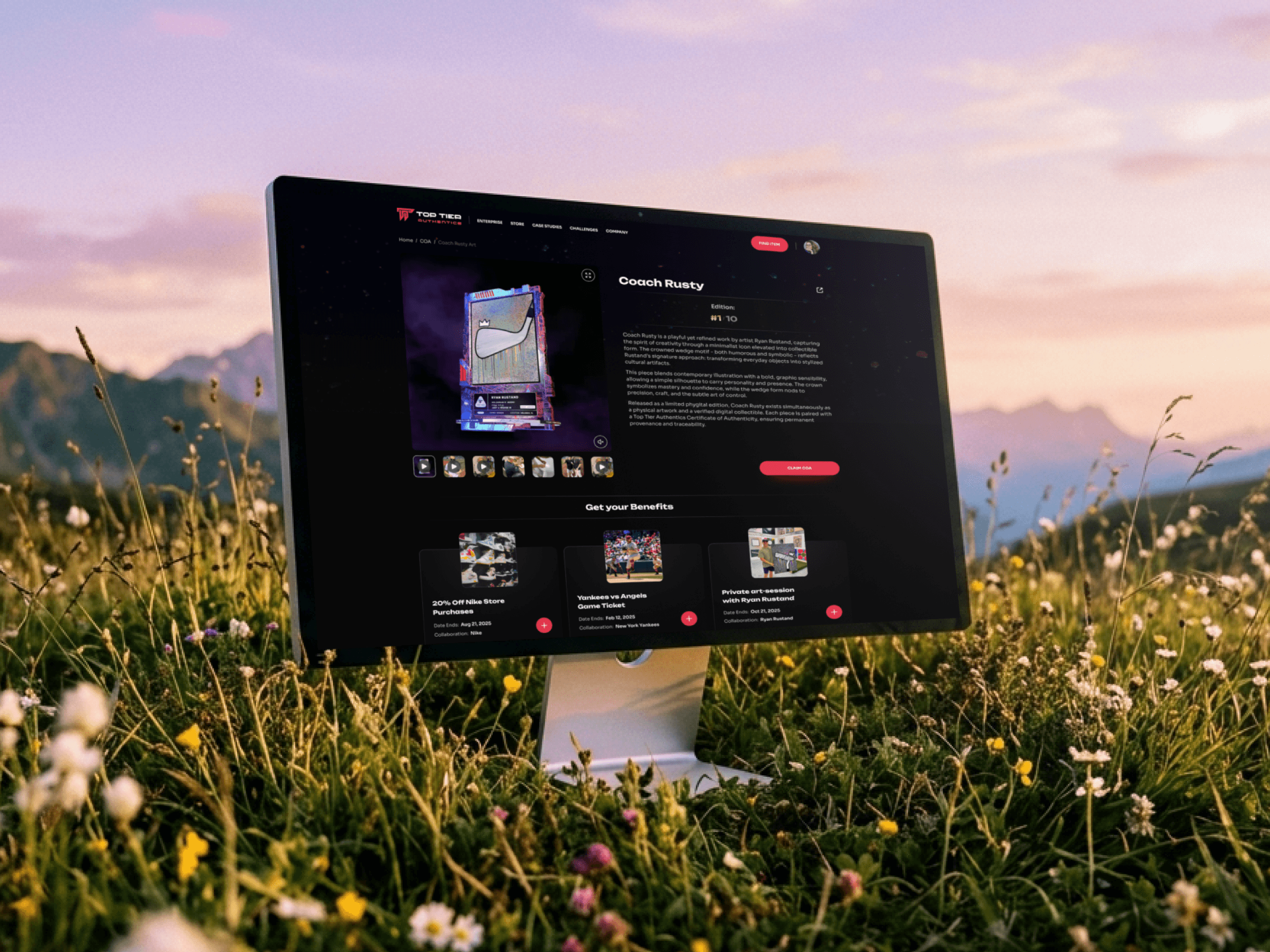
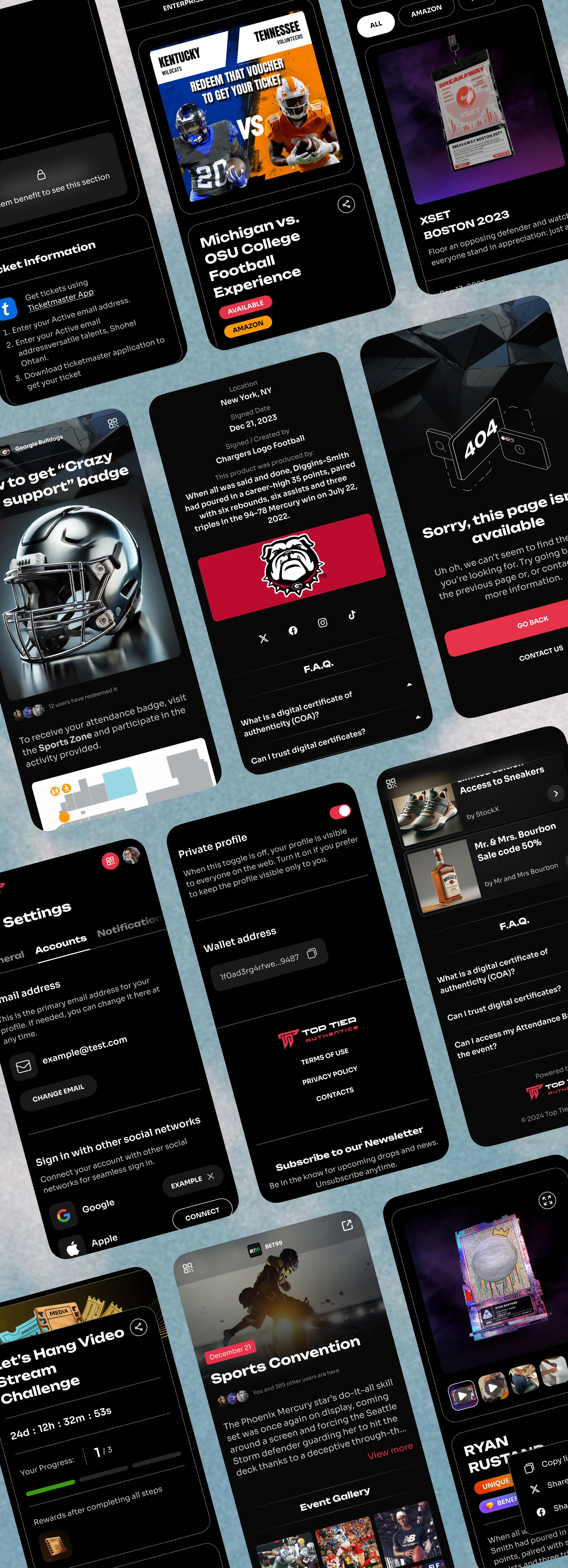
Consumer web app
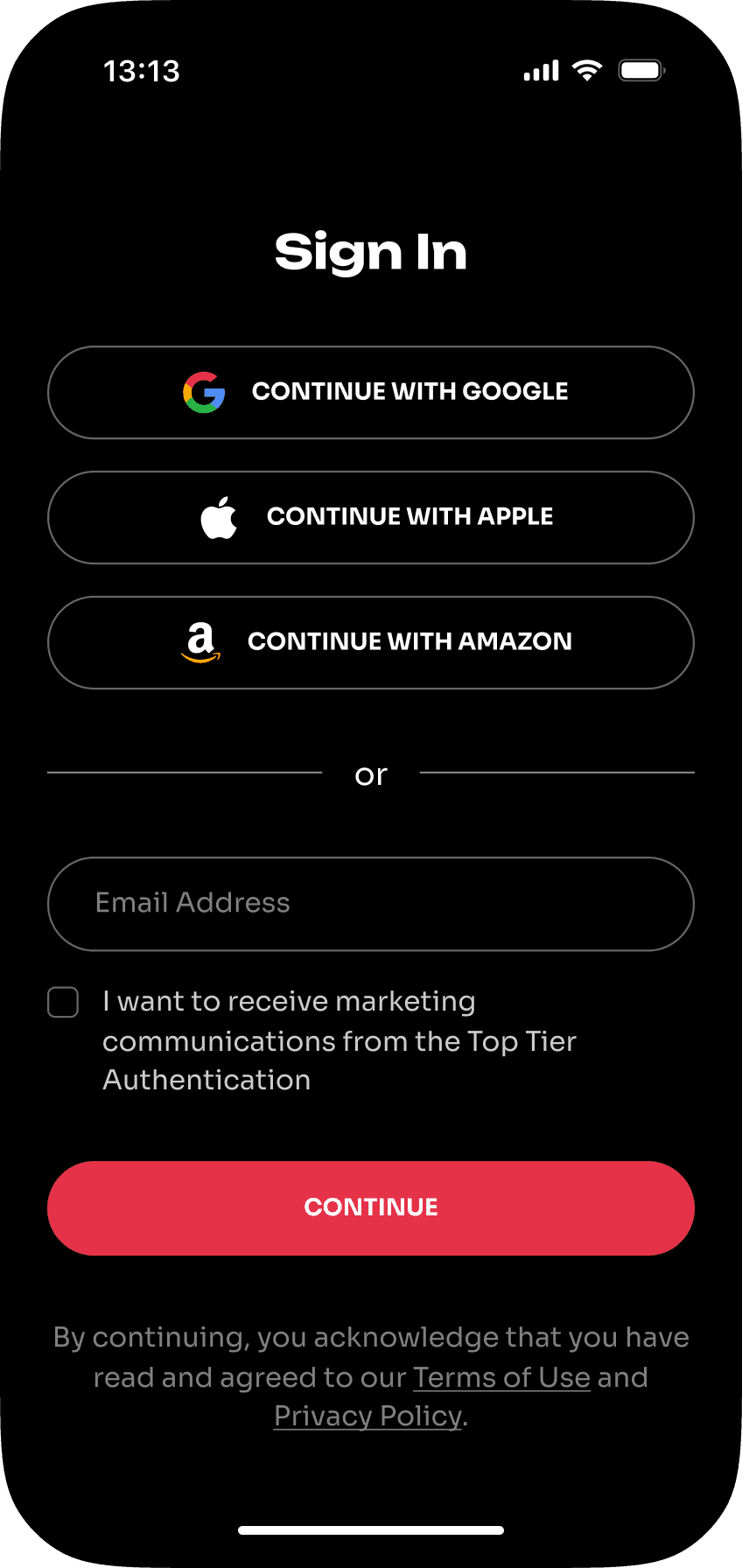
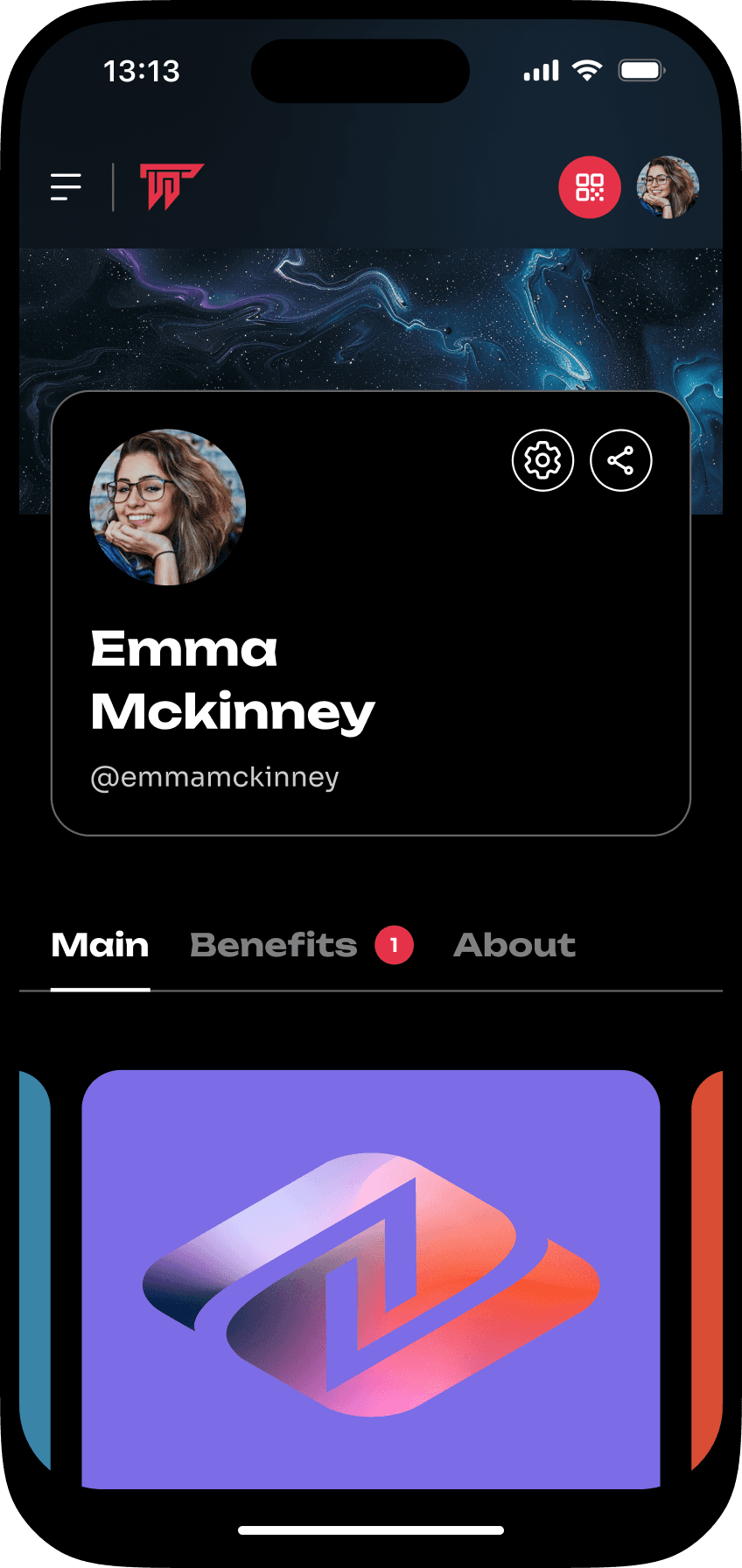
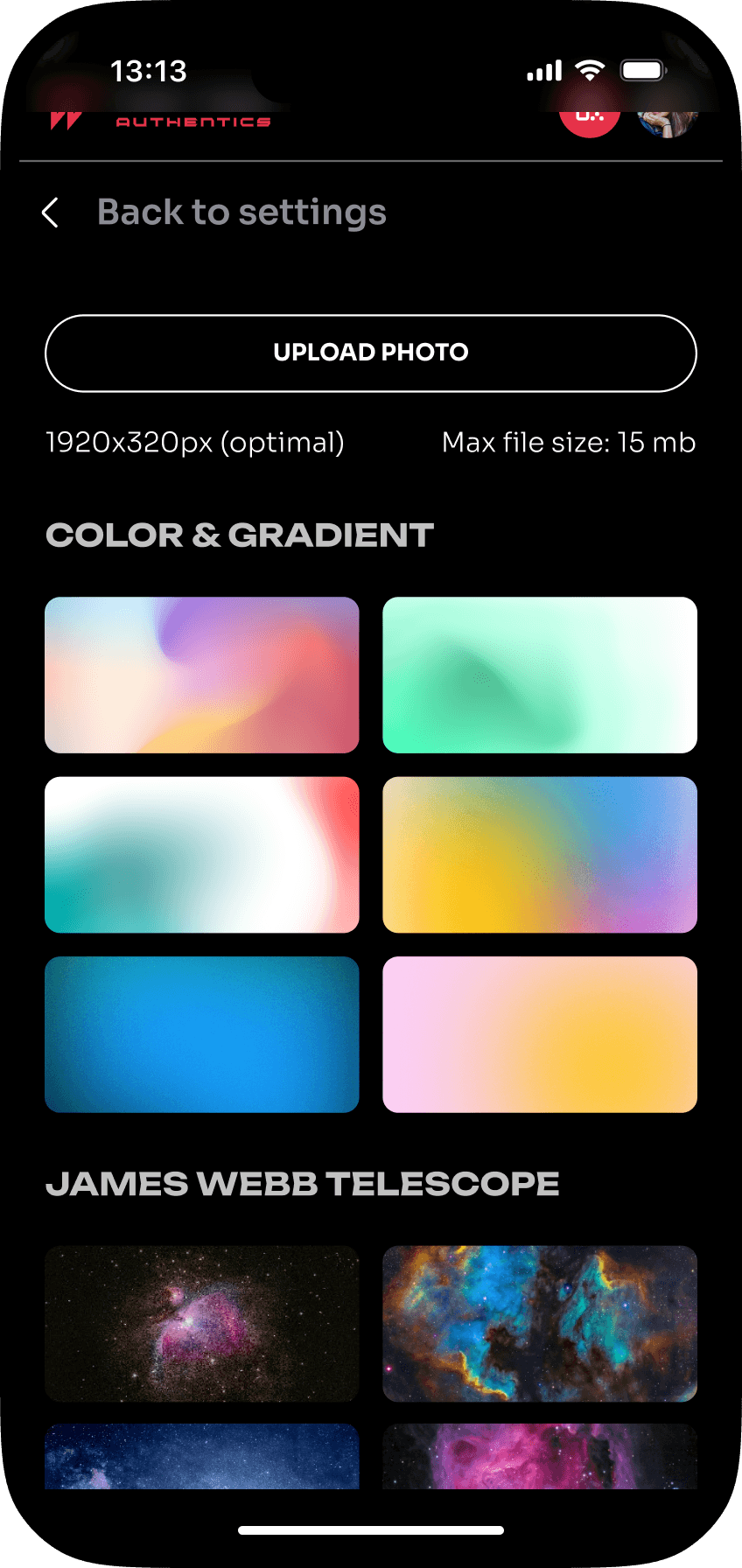
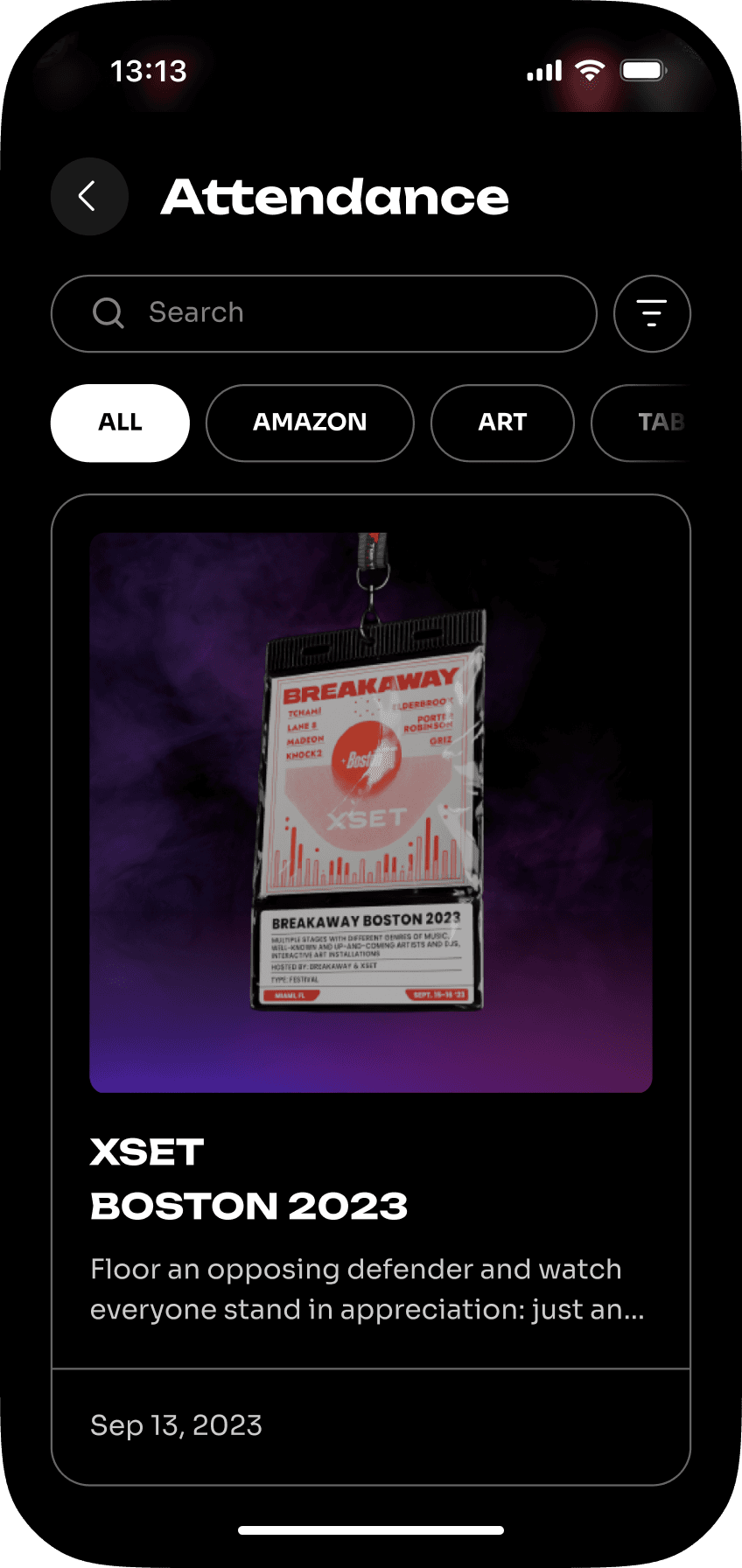
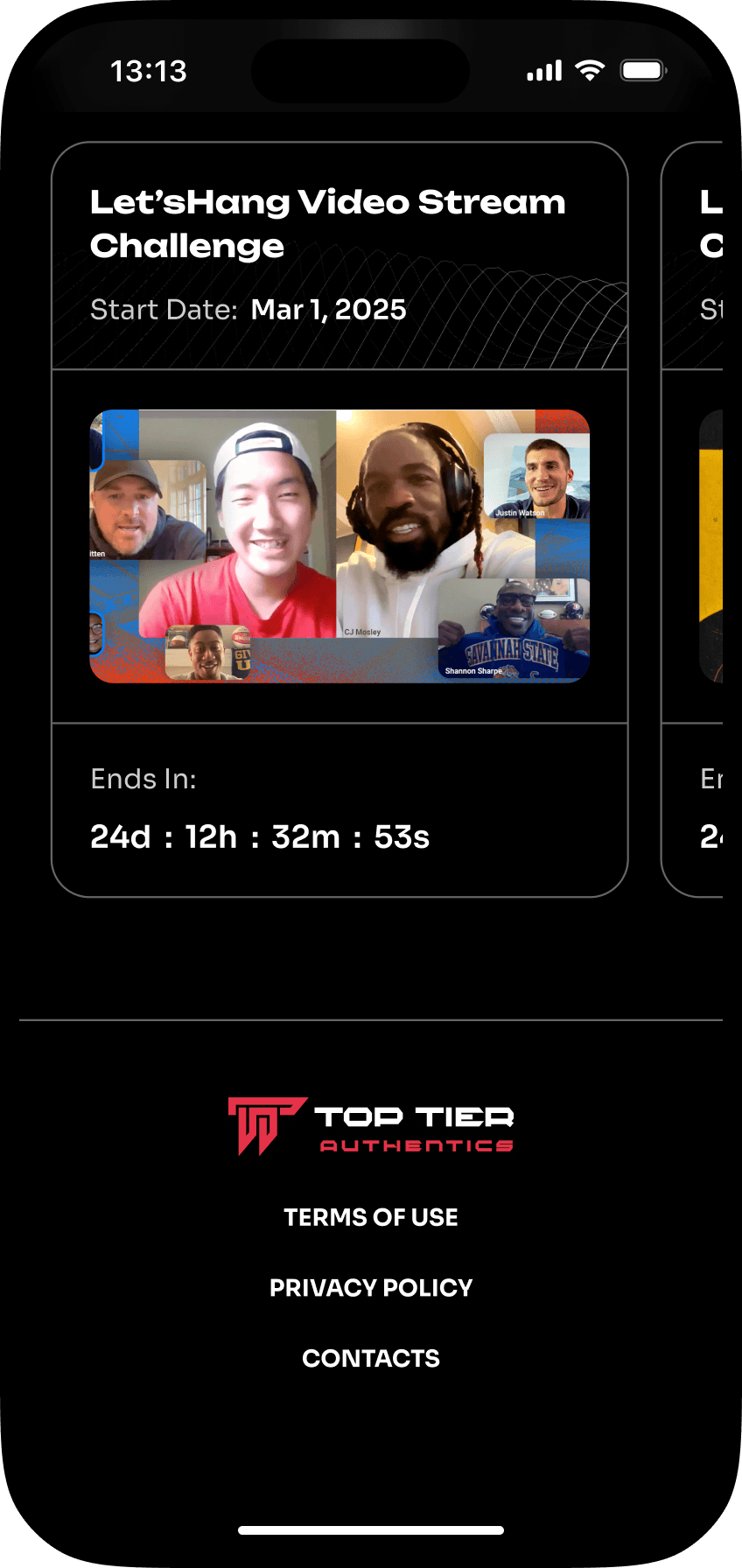
Web collector interface
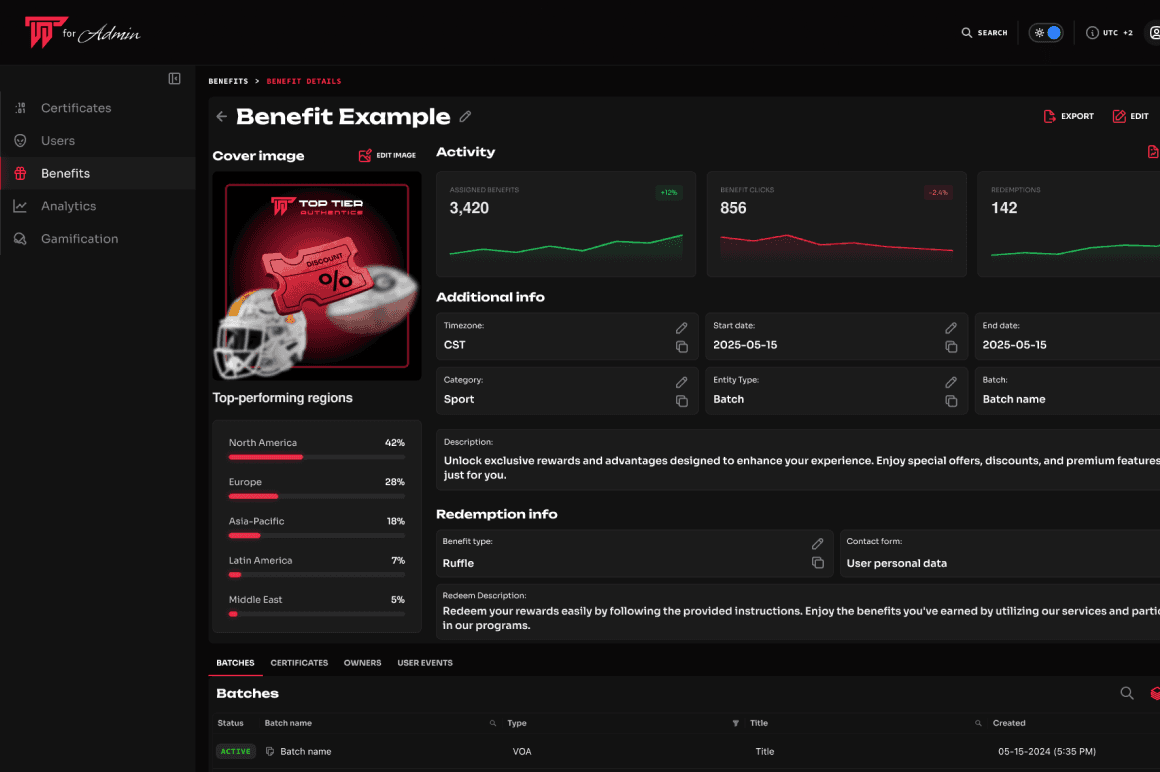
Brand dashboard
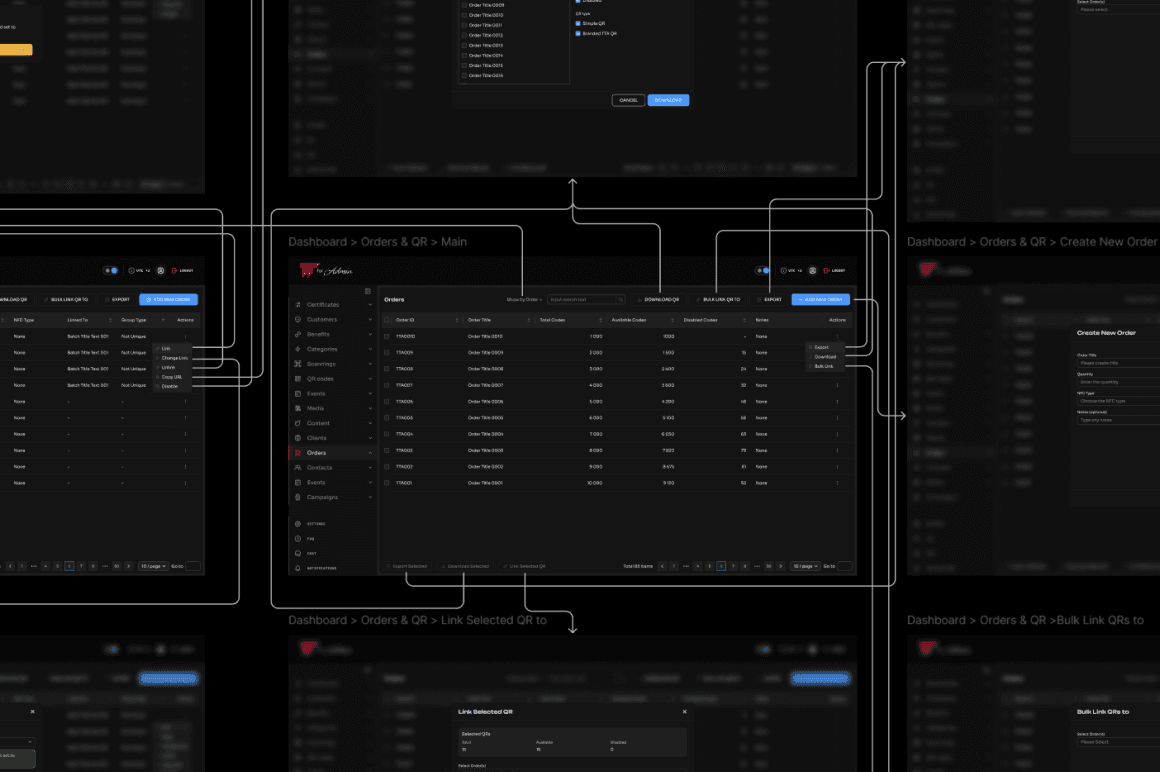
Authentication admin system
The System
1 - Collector Experience
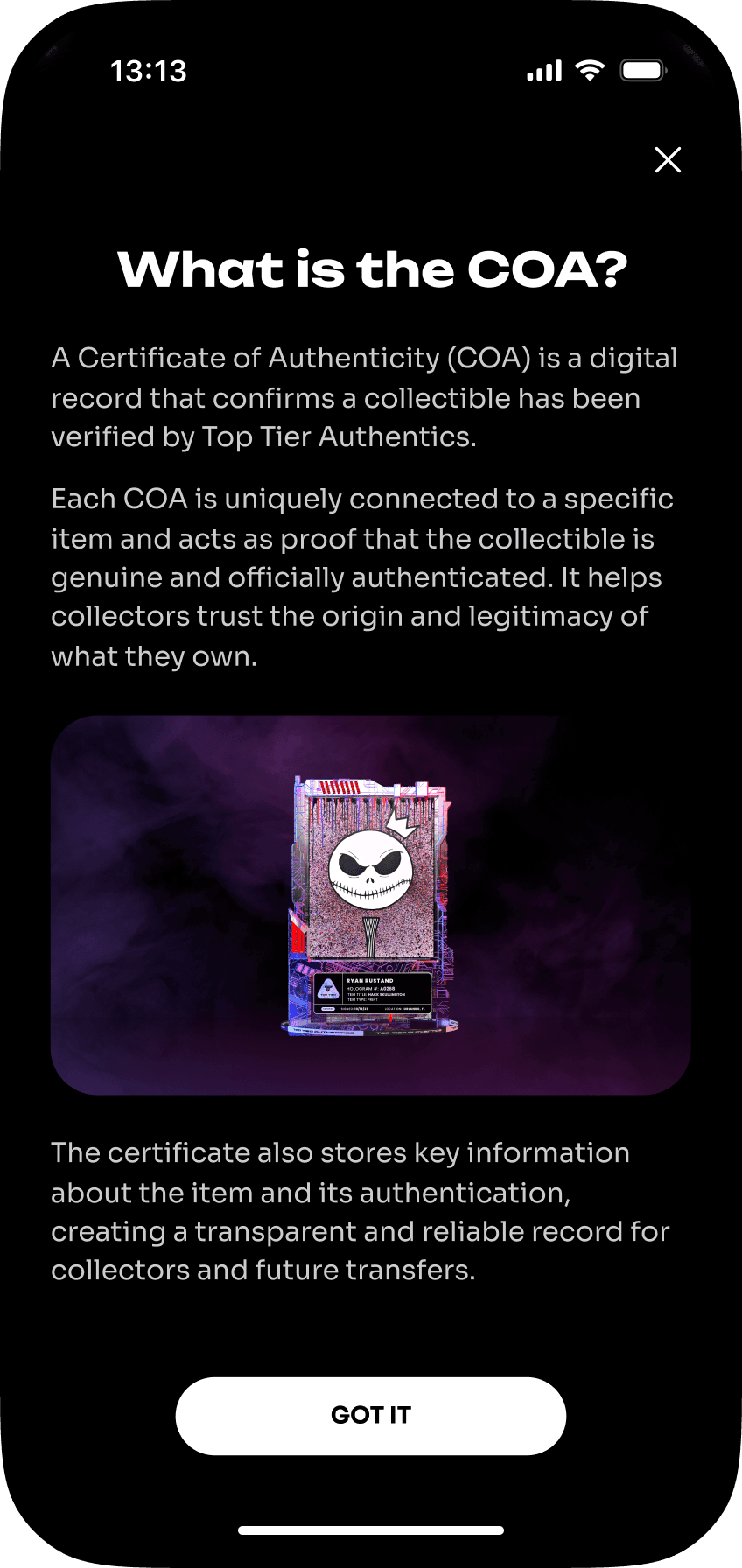
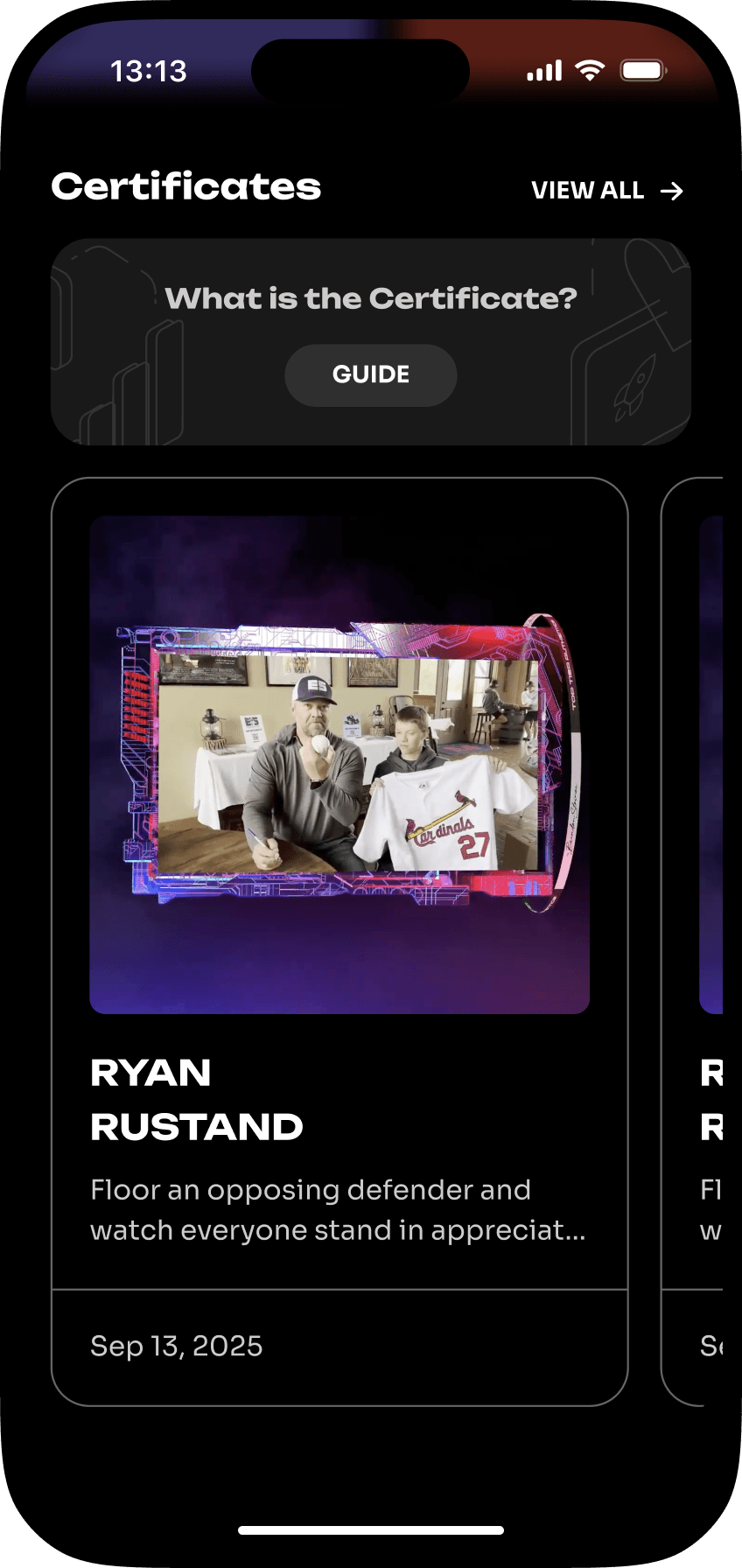
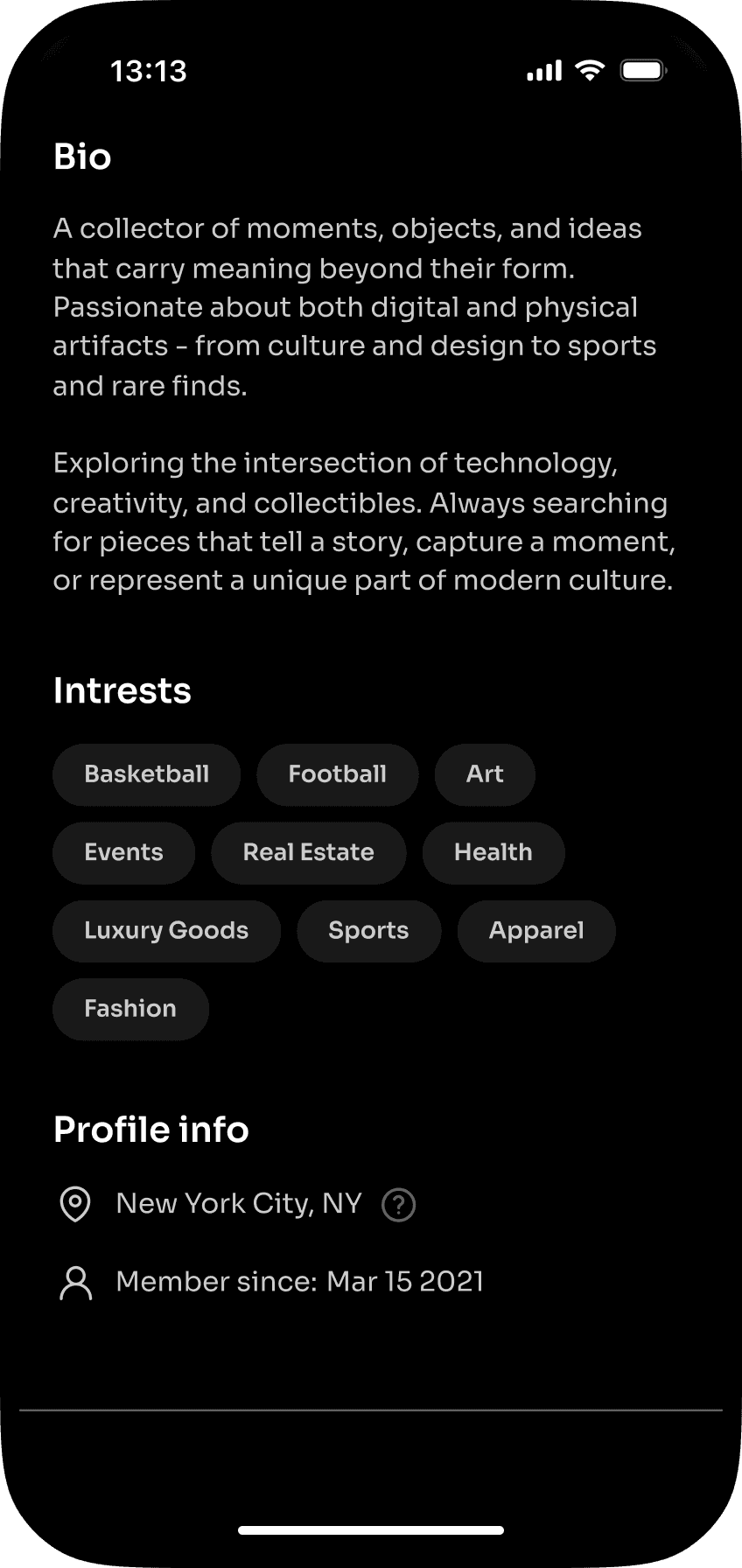
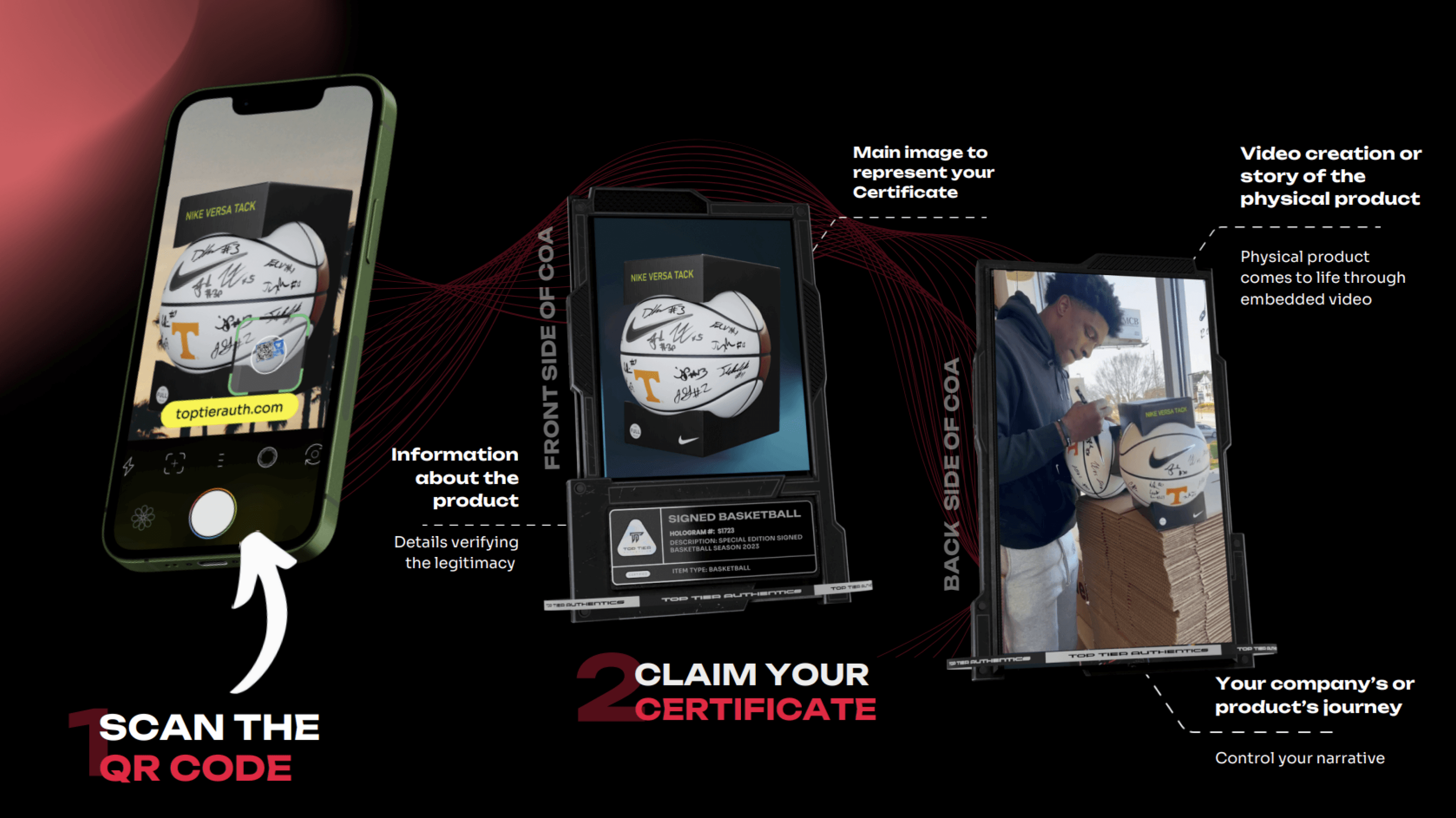
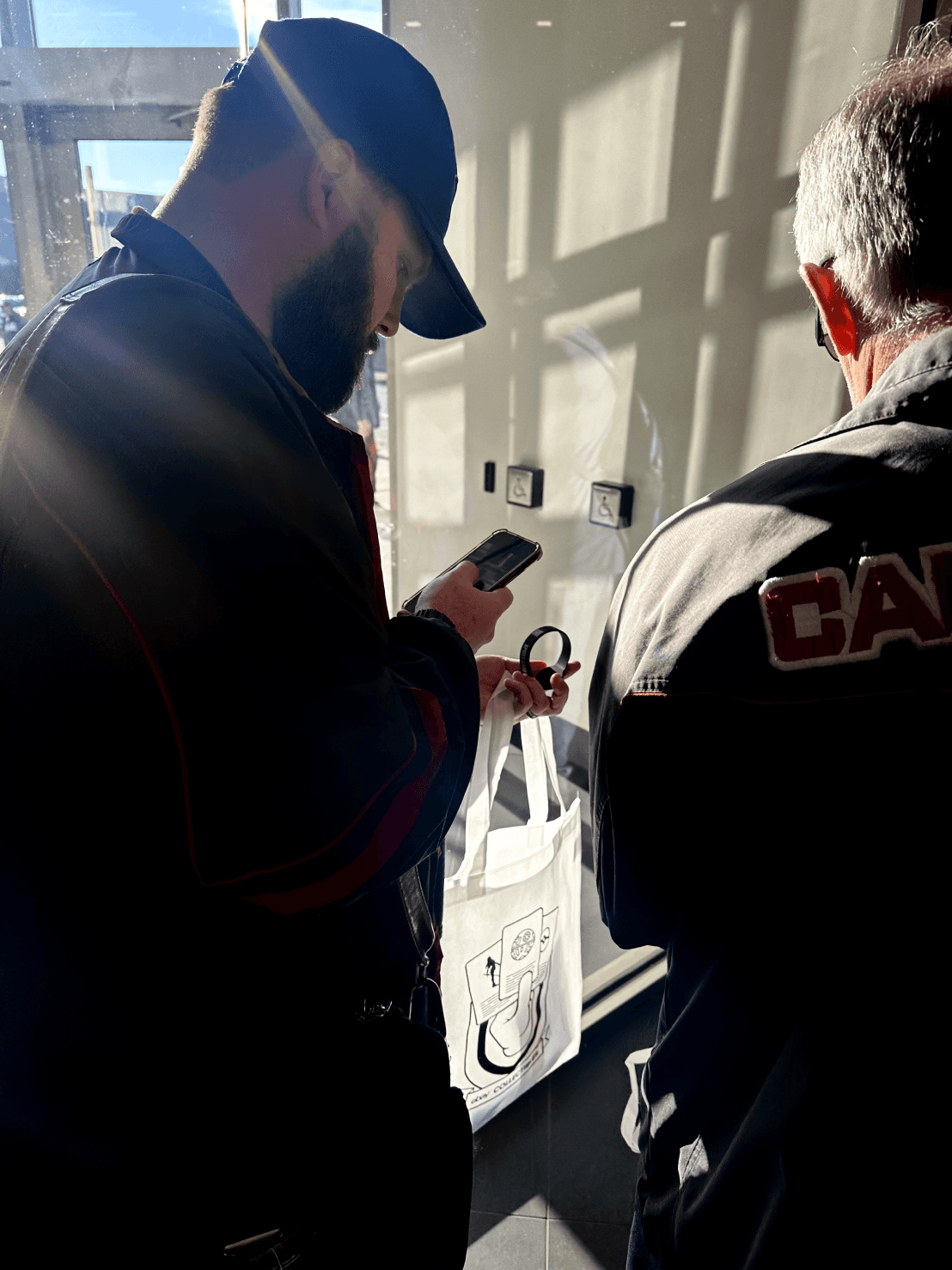
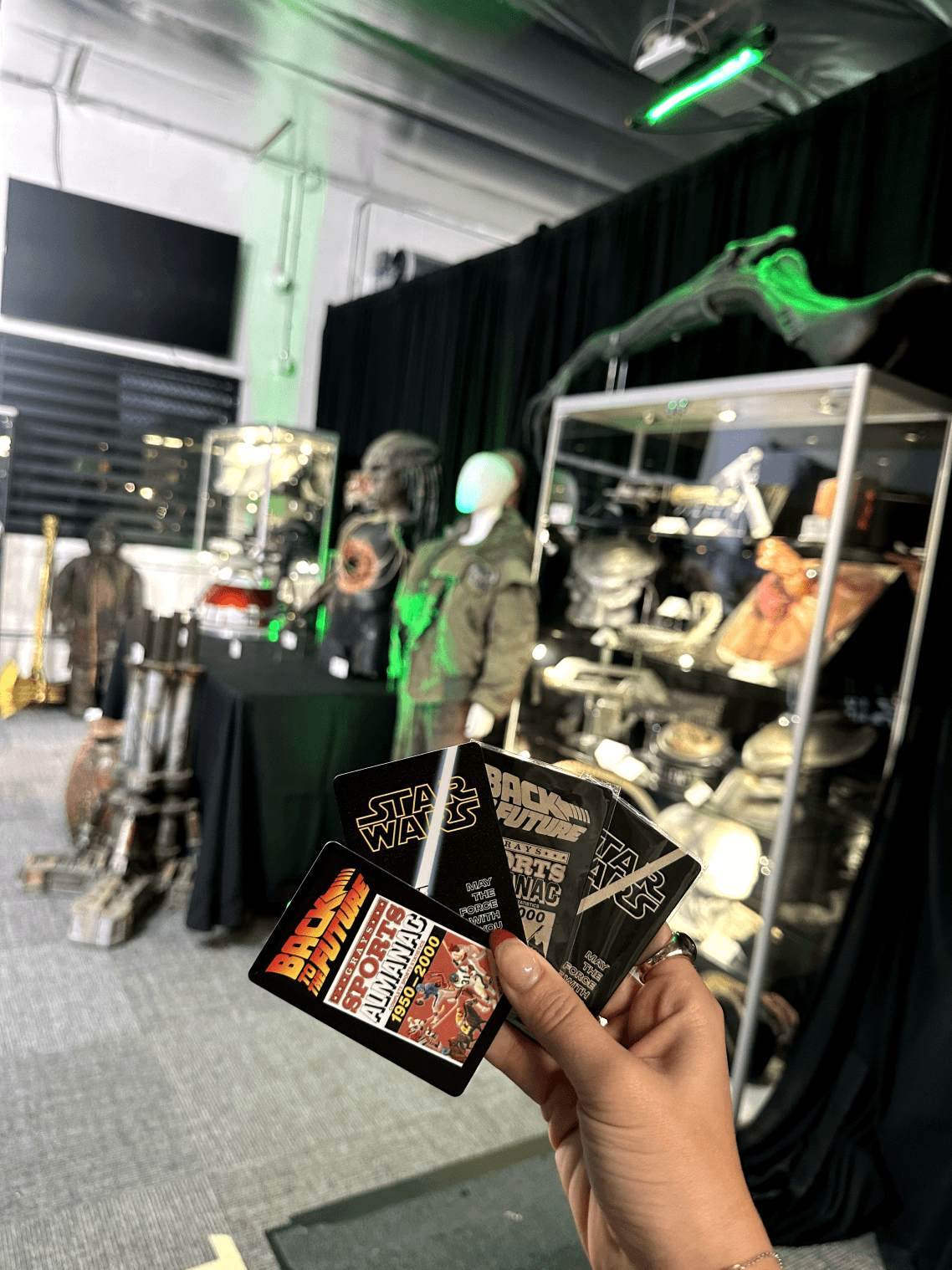
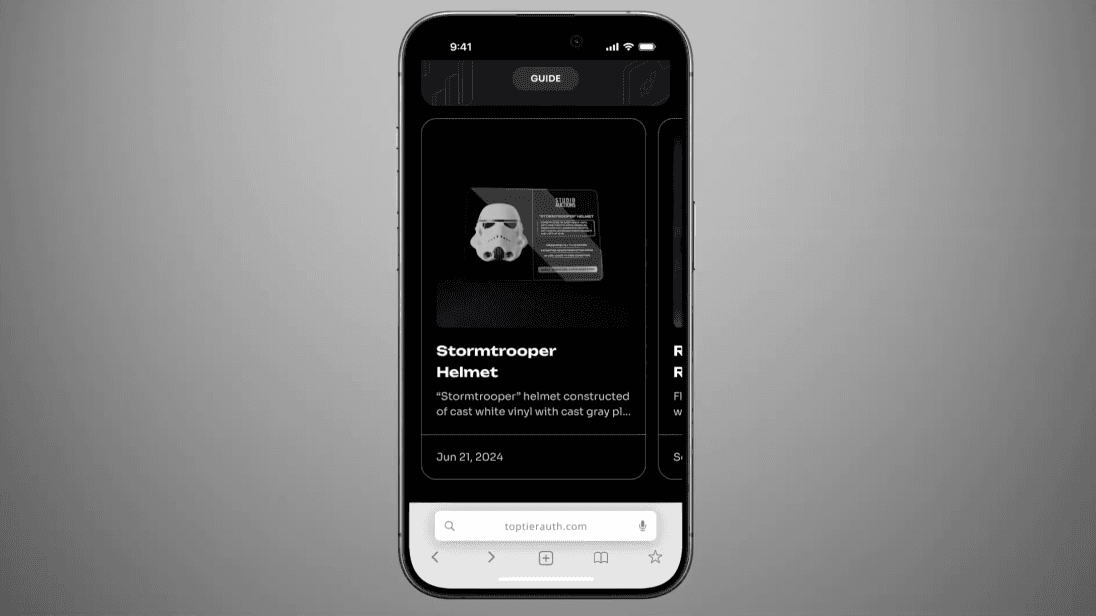
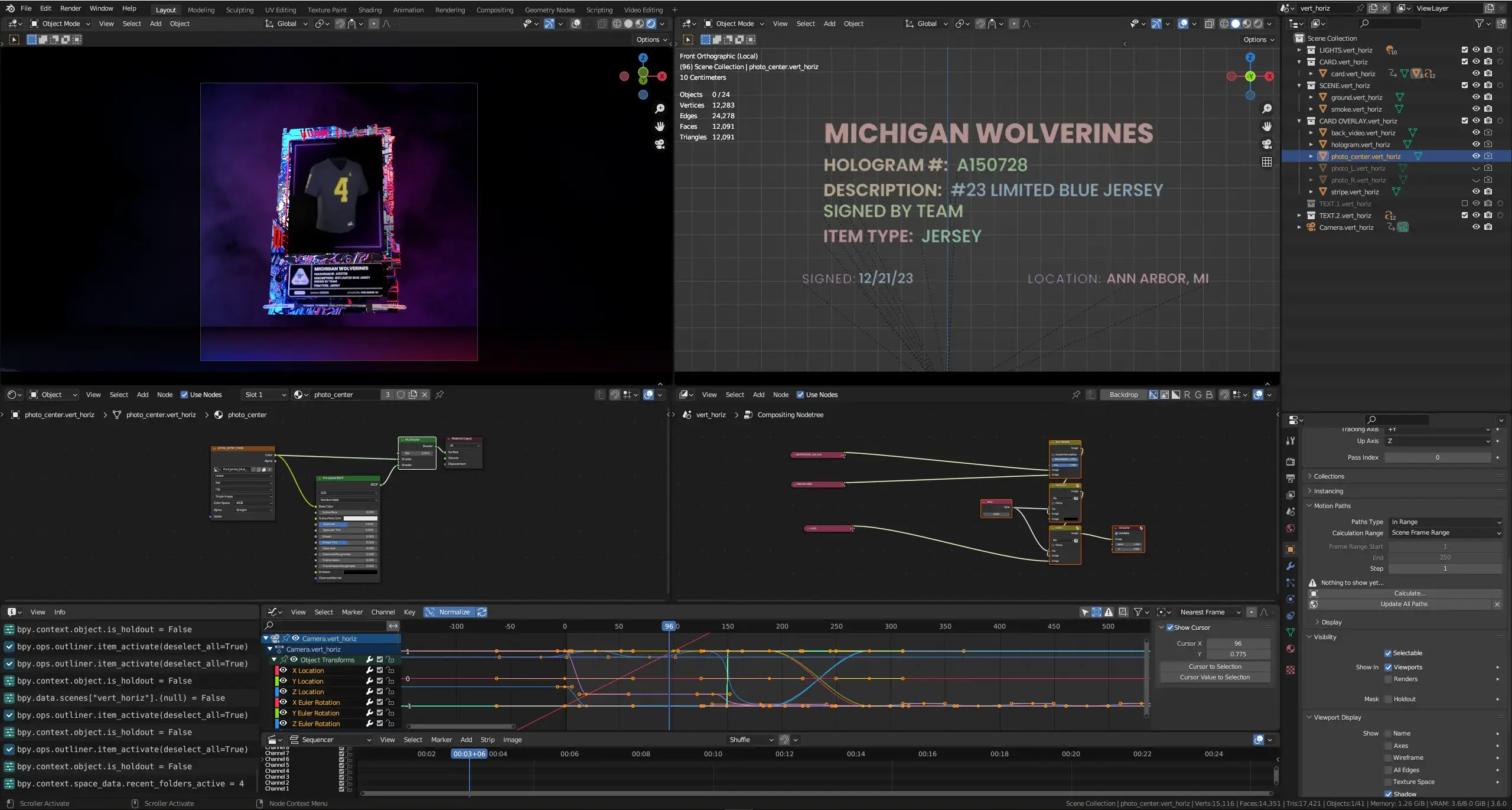
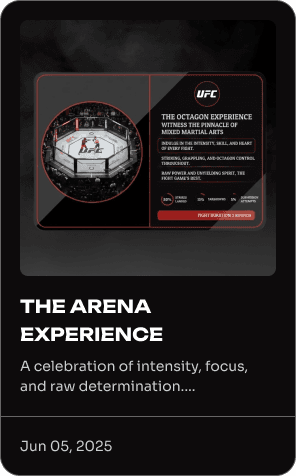
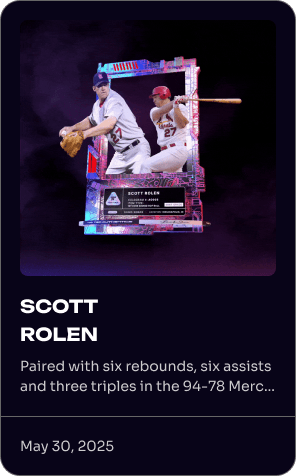
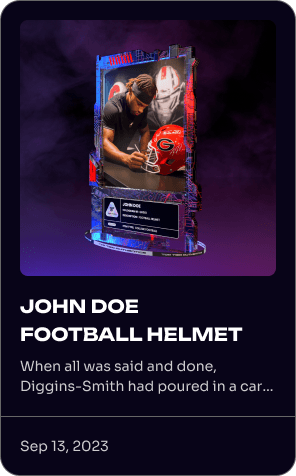
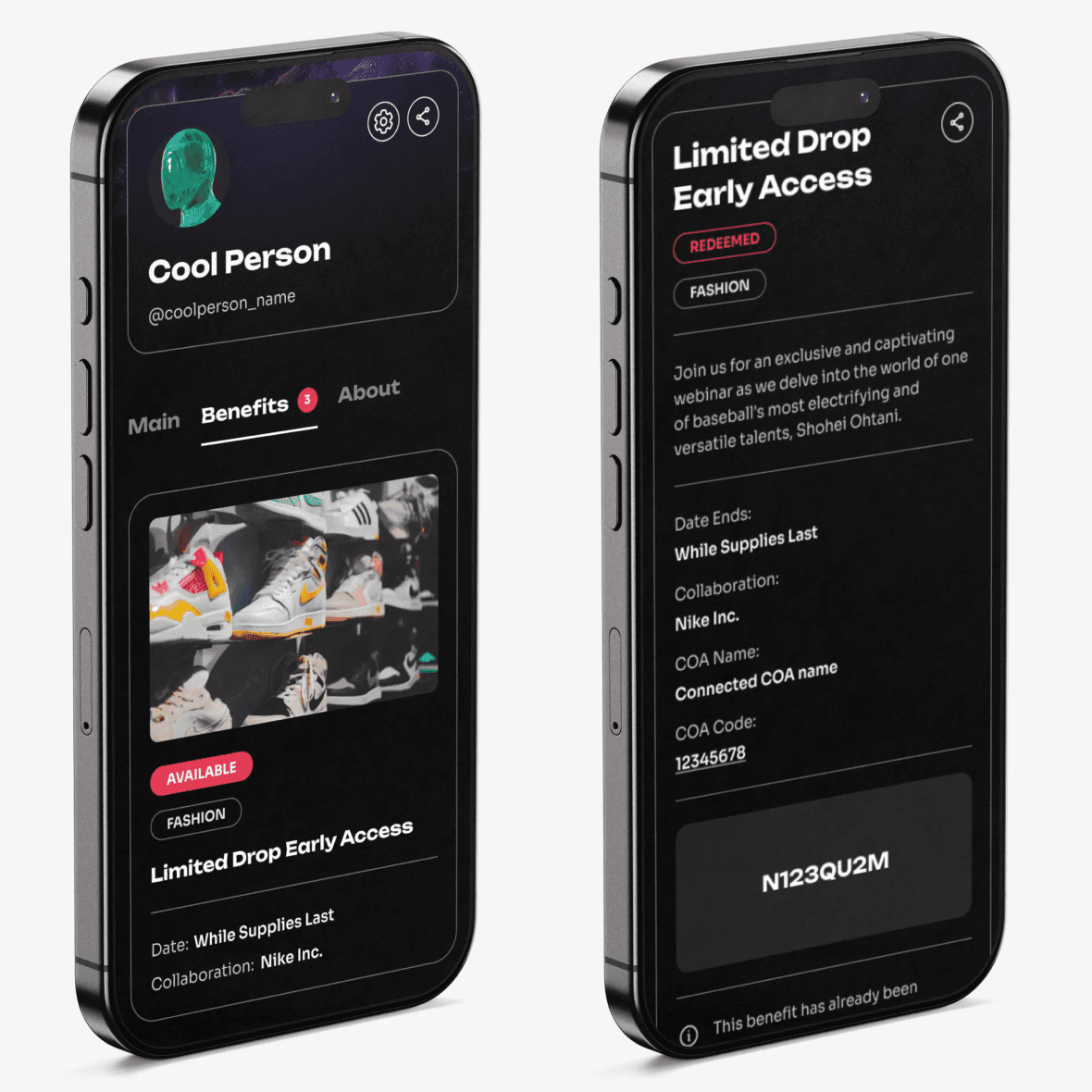
Collectors scan physical products to unlock verified digital certificates, ownership history, and exclusive experiences.
Each item becomes:
authenticated
trackable
socially shareable
gamified
Authentication becomes the entry point - not the end.
I defined the Scan → Claim → Own flow, reducing time from physical interaction to verified ownership to <3 seconds
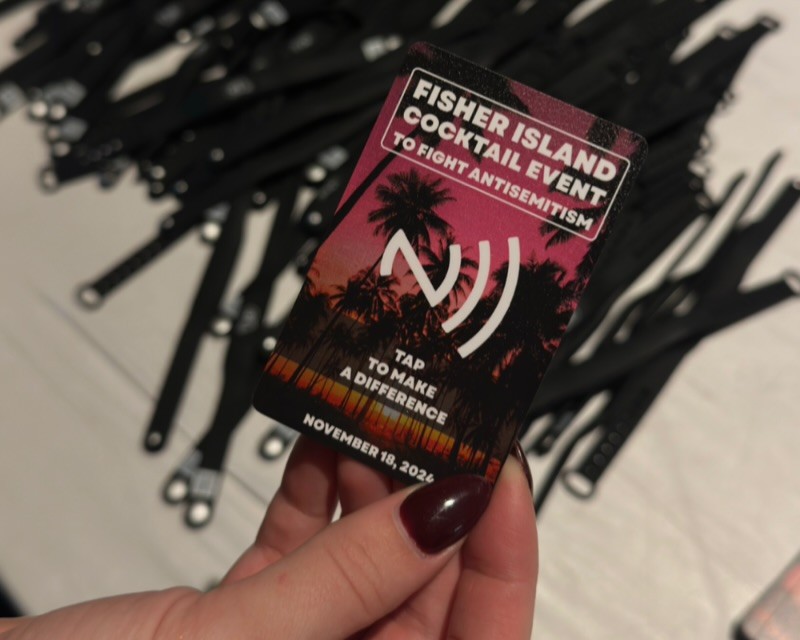
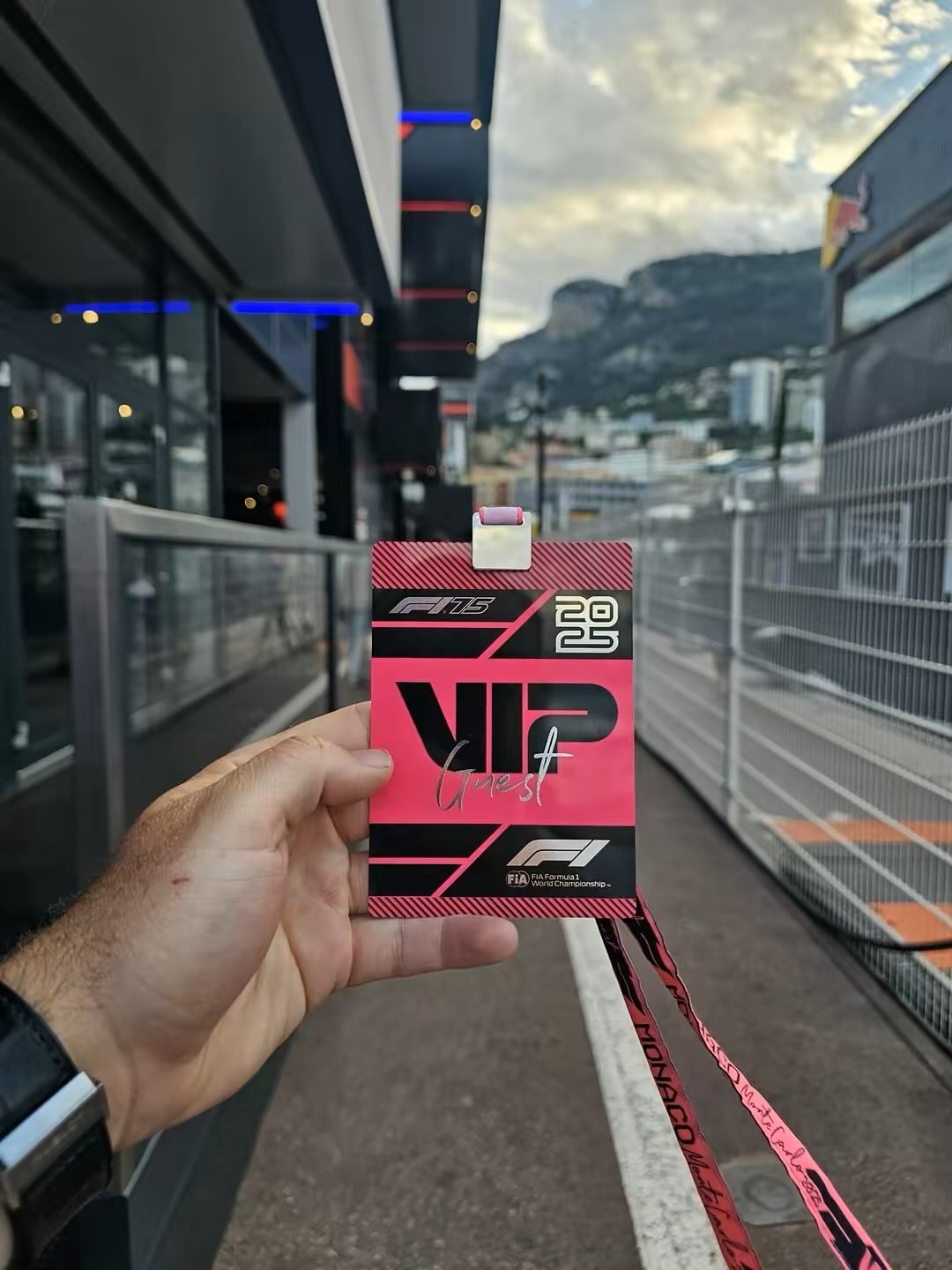
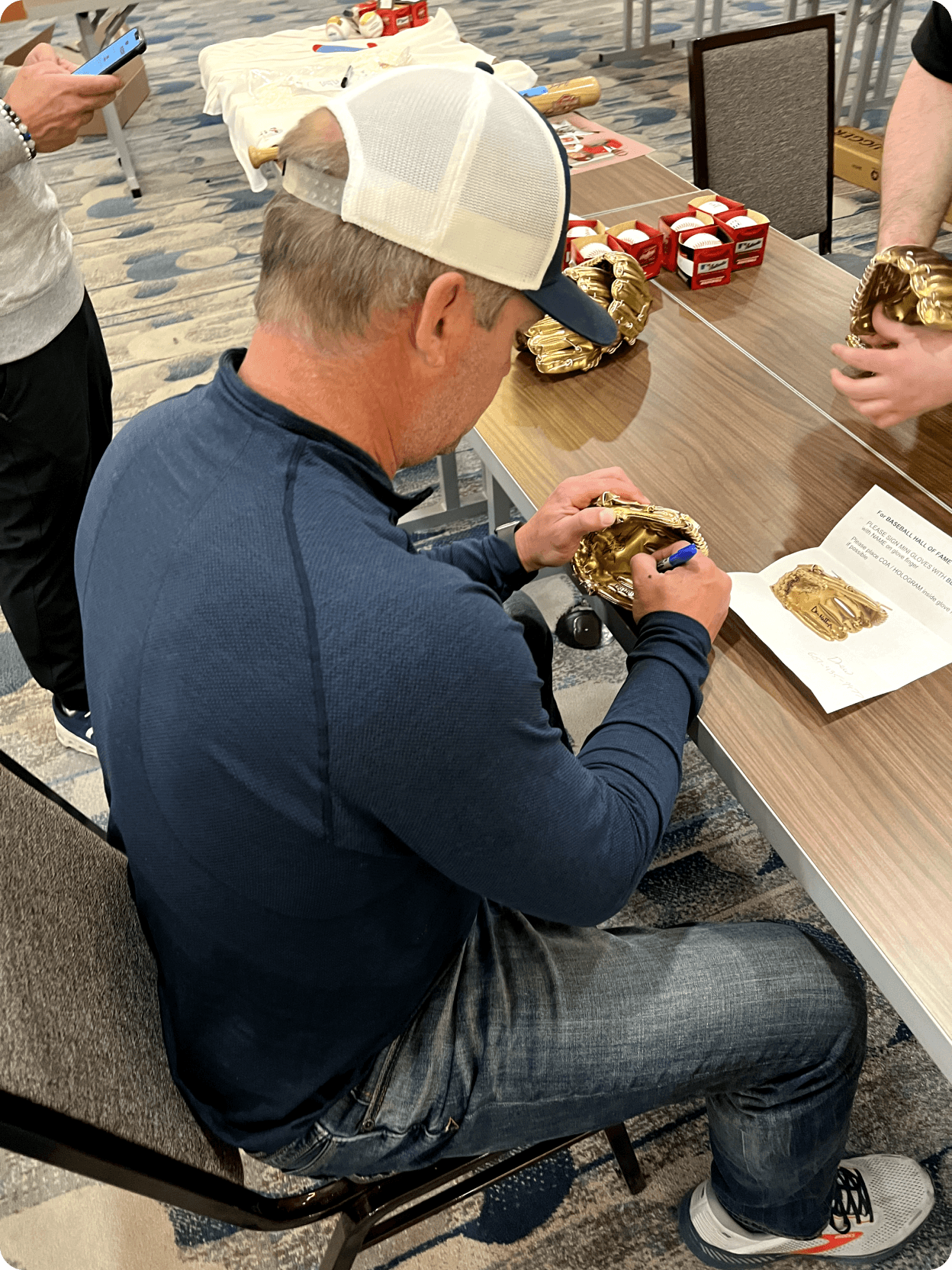
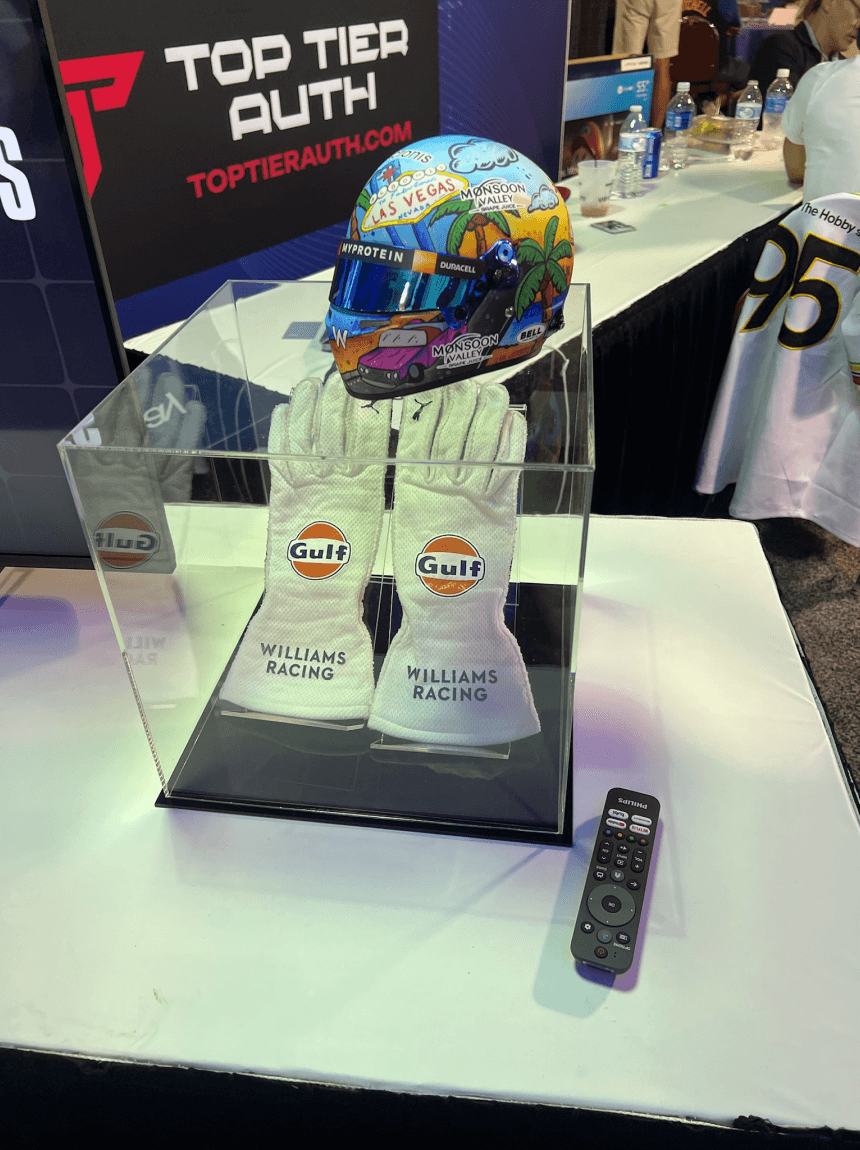
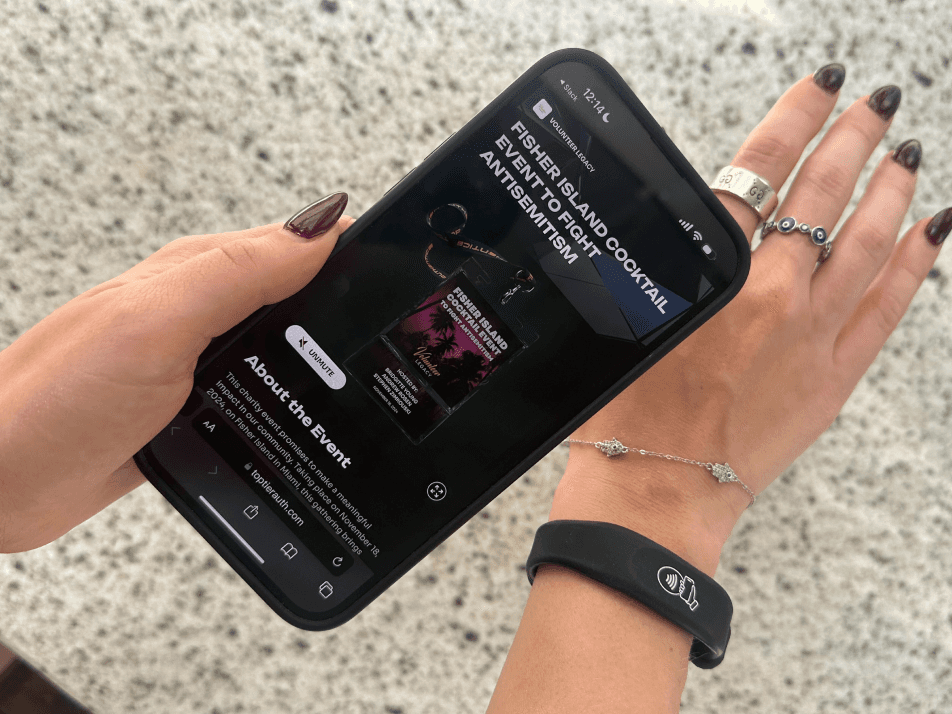
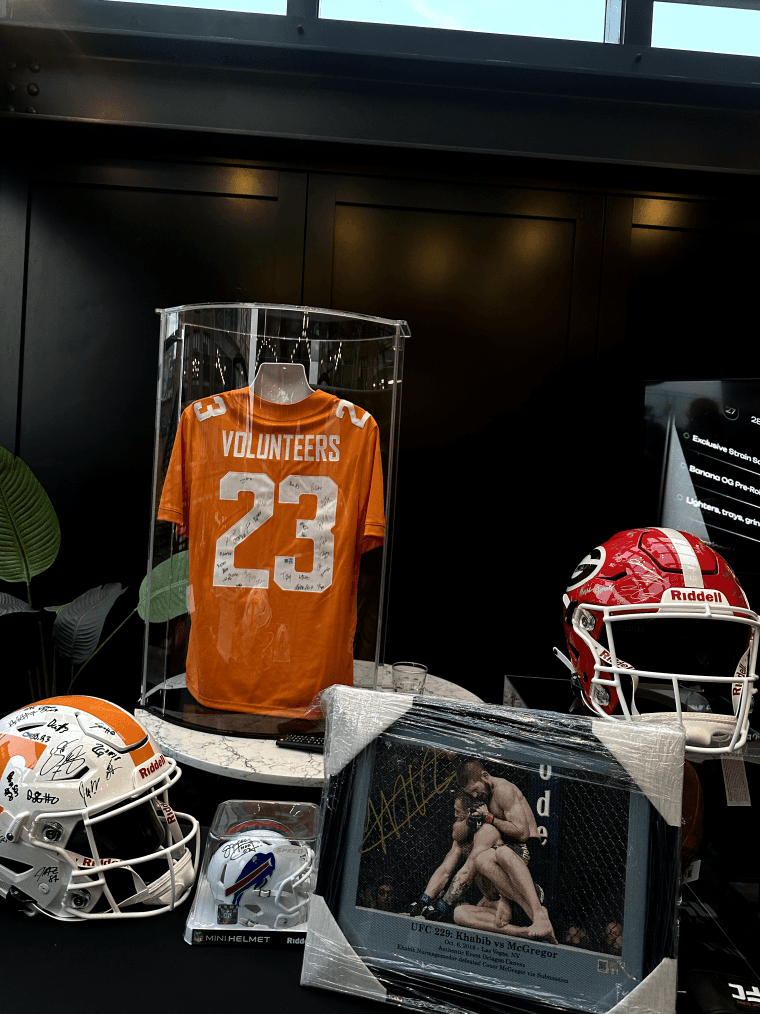
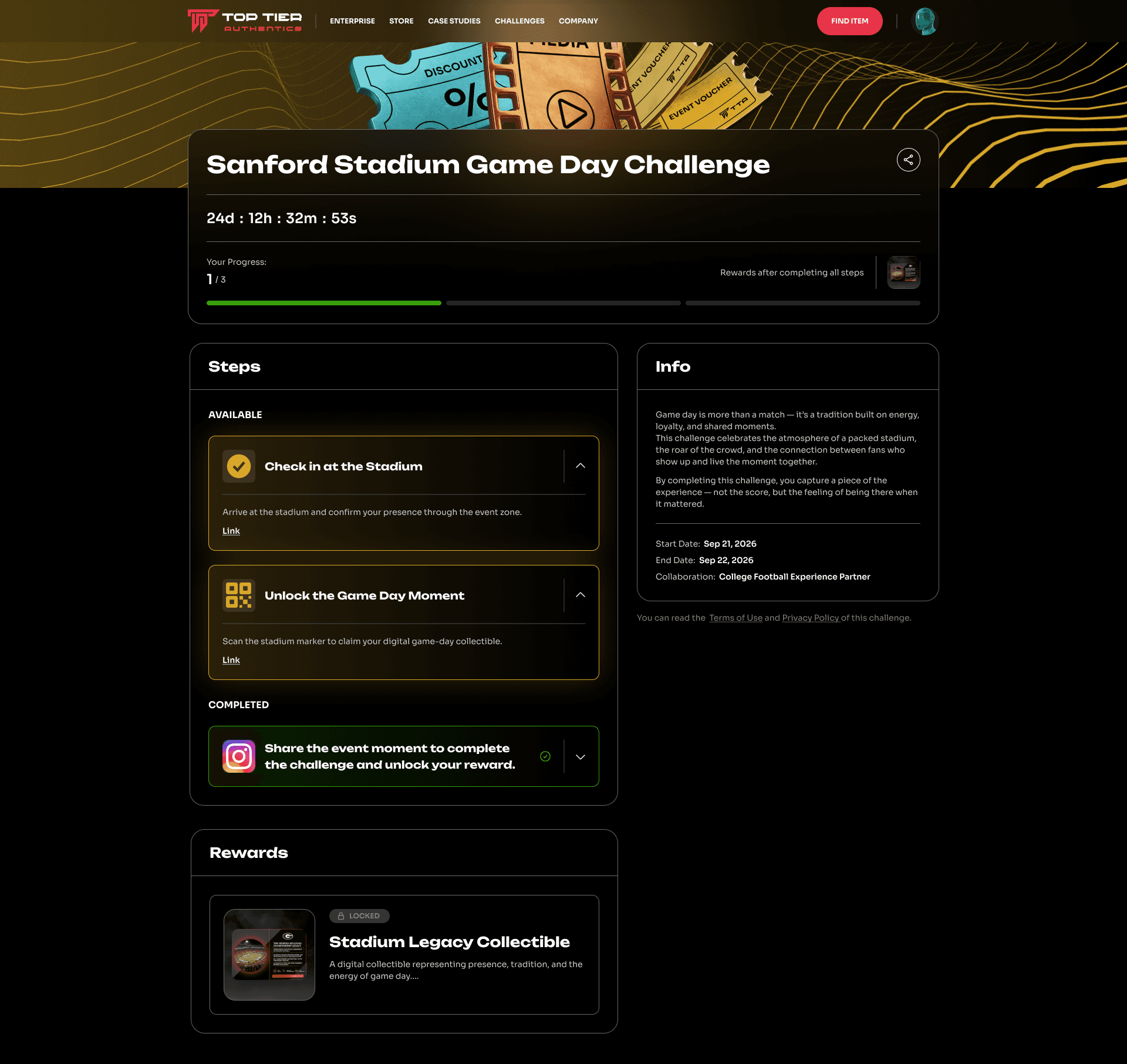
2 - Event & Live Activation
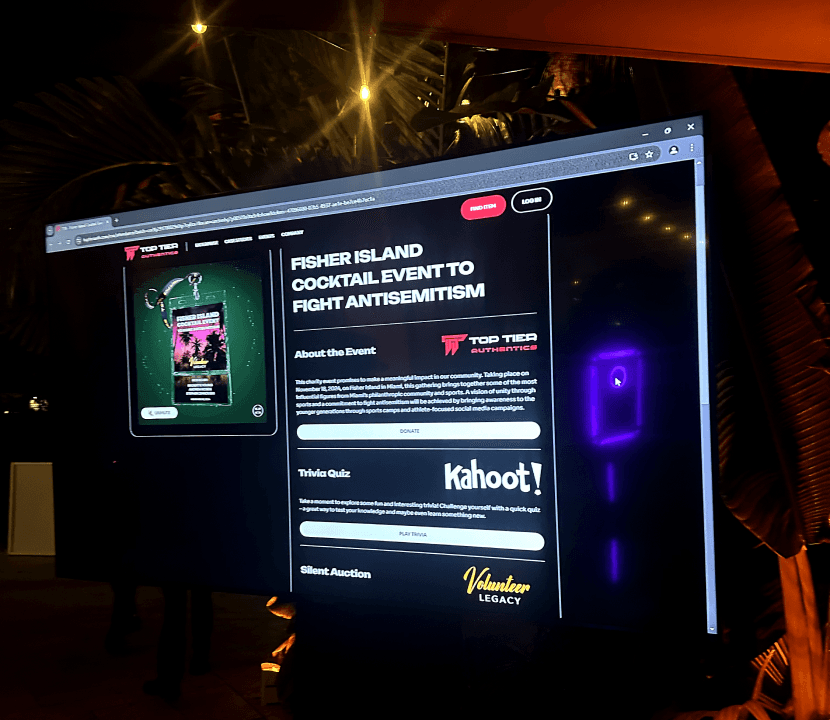
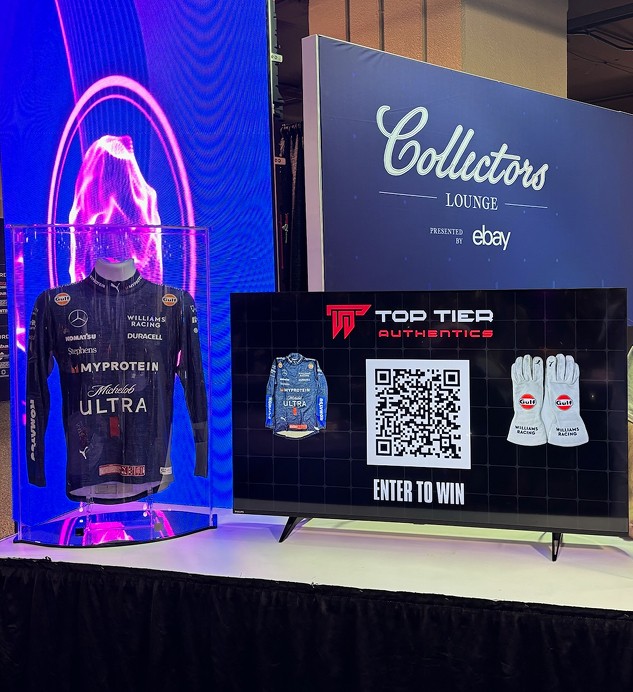
I extended the system into live experiences:
Event check-ins
VIP access
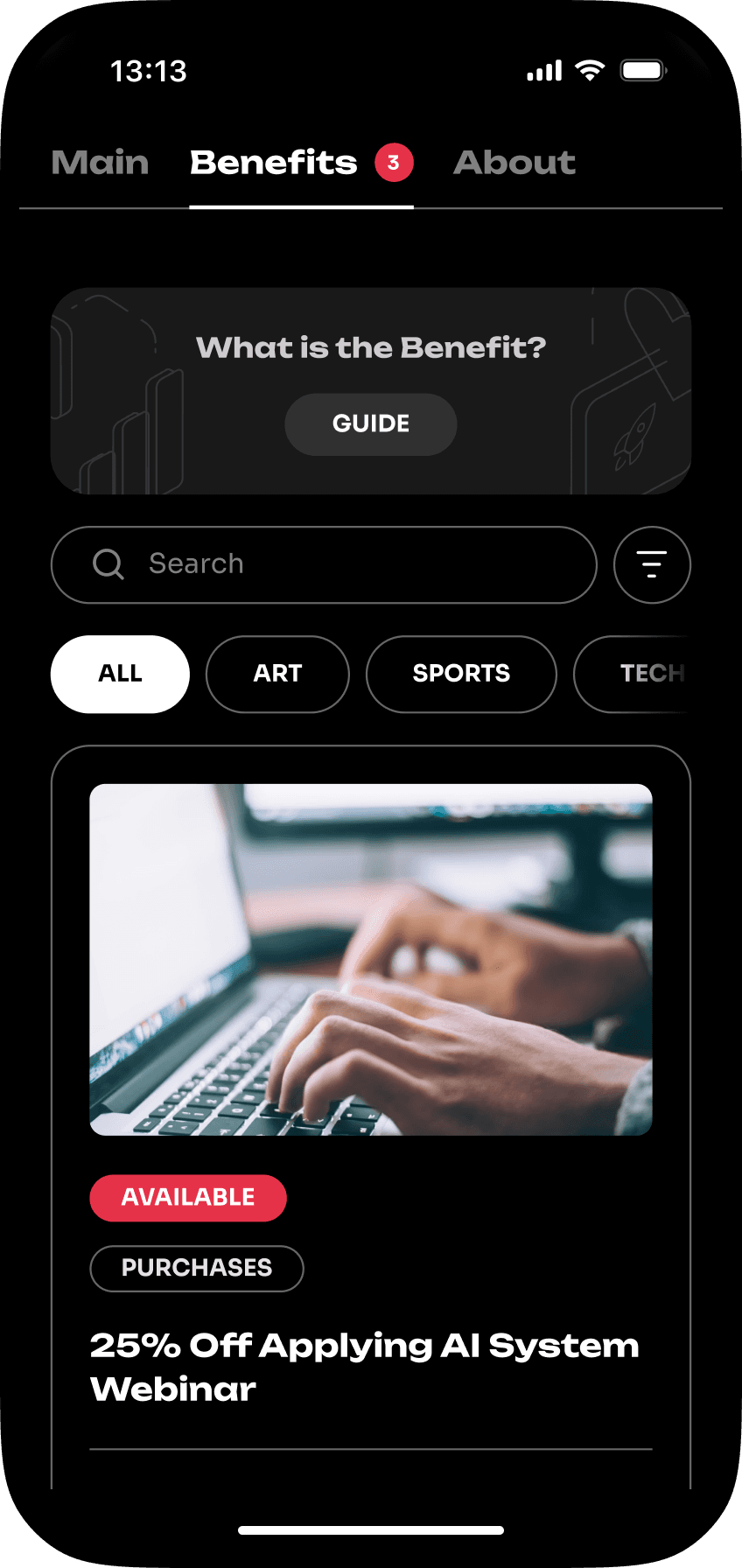
Exclusive benefits
Interactive activations
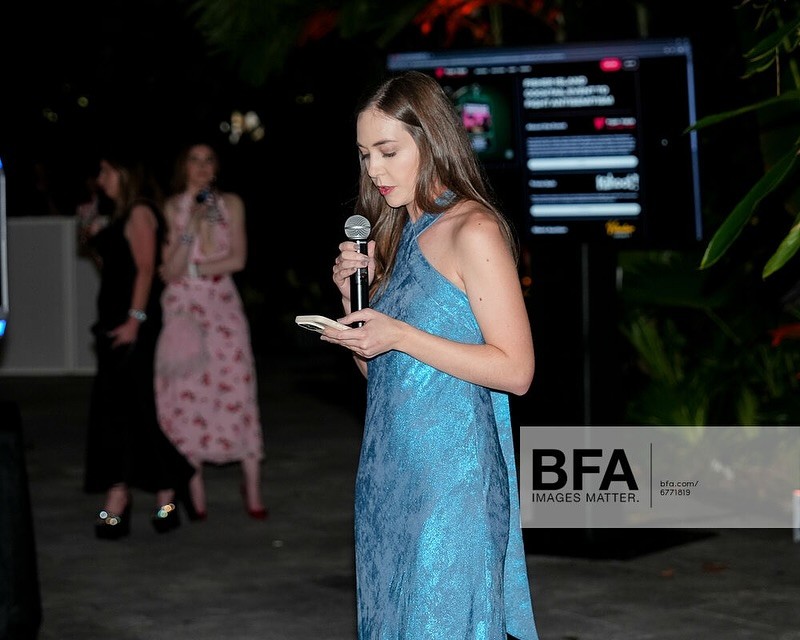
This transformed collectibles into engagement drivers during events.
3 - Platform & Design Ops
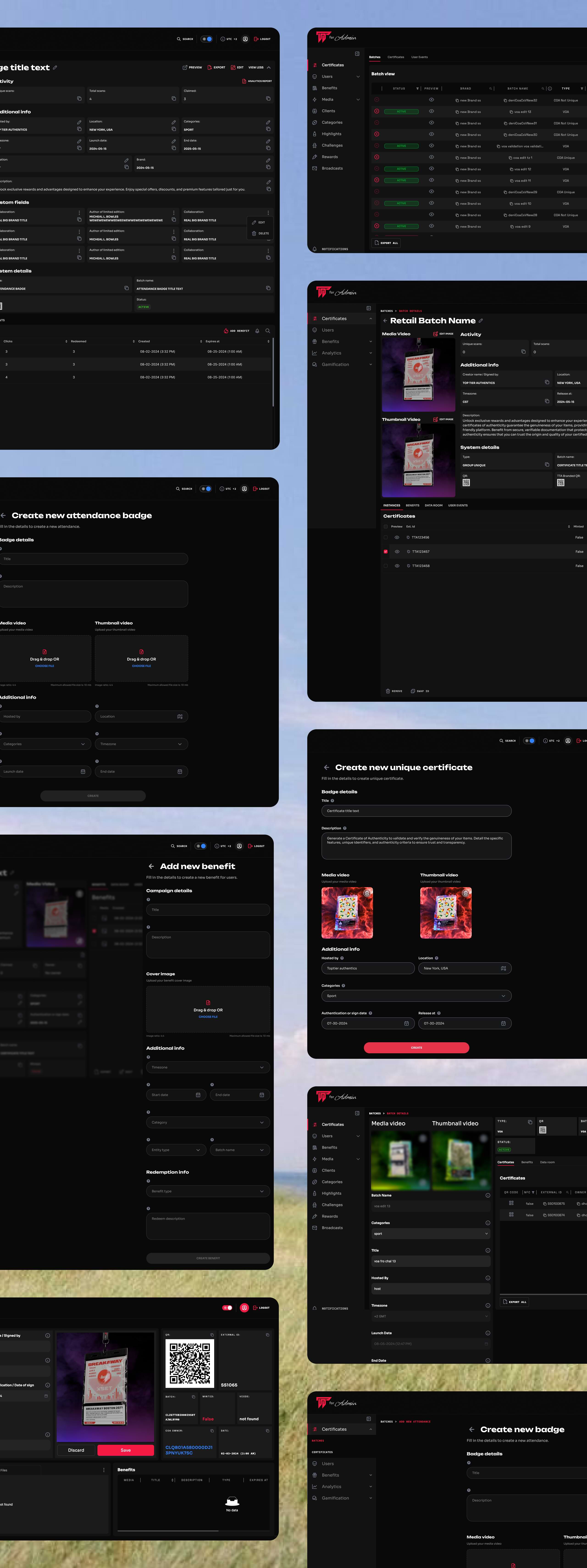
Behind the scenes, I designed a full operations layer
• Authentication workflow
• Inventory management
• Analytics dashboards
• Brand customization tools
The system supported multi-brand deployments and scalable rollouts.
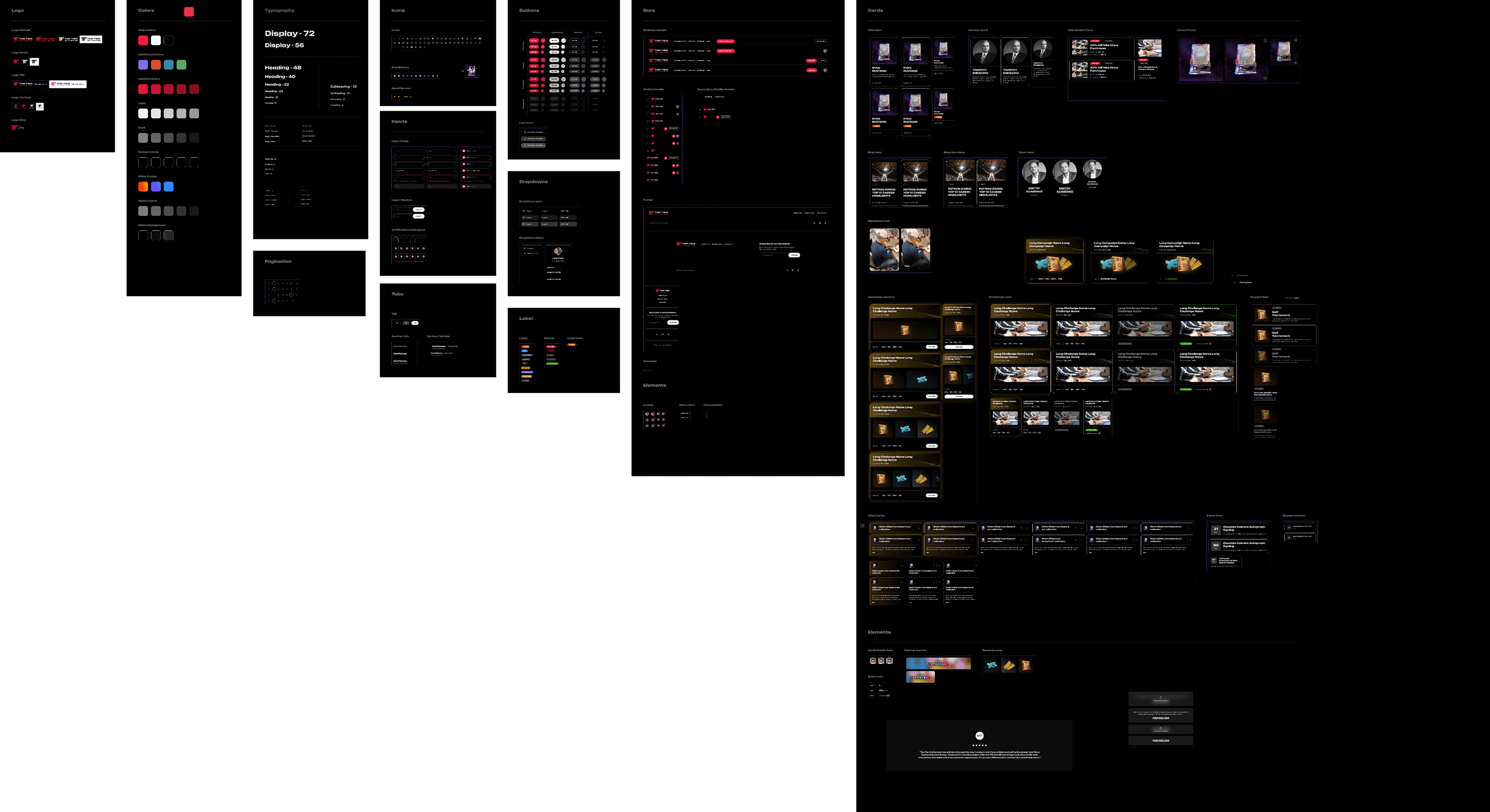
Also I built and scaled a design system,
reducing design-to-development handoff time by ~40%
Impact
The platform
It shifted collectibles from static objects to dynamic digital assets.
Standardized digital authentication workflows
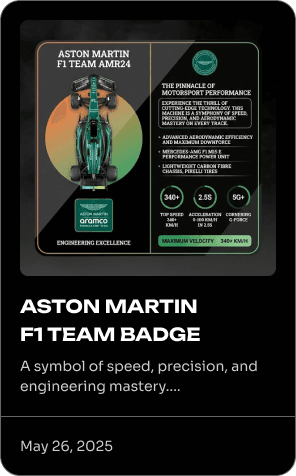
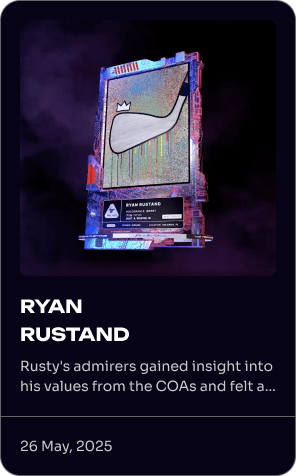
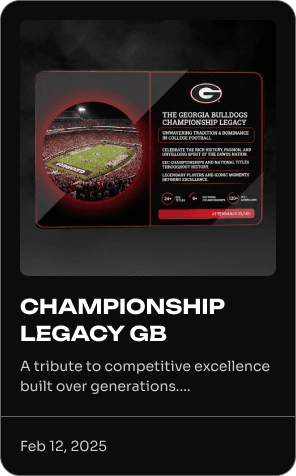
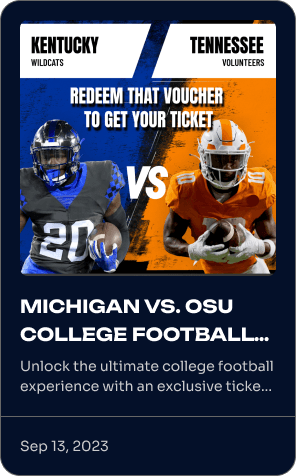
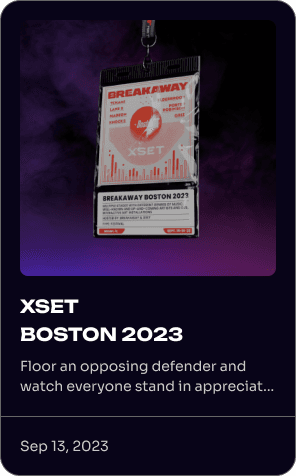
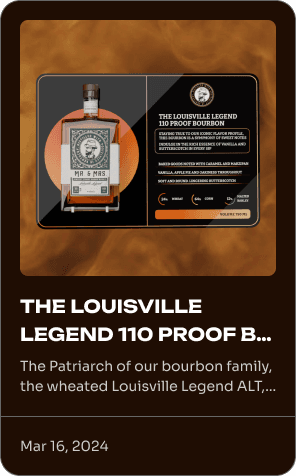
Enabled scalable brand partnerships
Created new digital engagement channels
Extended collectible lifecycle beyond purchase
Reflection
Designing a global standard required balancing brand flexibility with system consistency.
If I were to iterate further, I would:
Introduce deeper personalization layers
Enhance data-driven engagement loops
Expand secondary market integration
This project strengthened my system-level thinking and cross-functional leadership.